
Gas vs Wood Fireplaces: What's Right for Your Home?
Comparing comfort, convenience, maintenance, and long-term value.
If you’re thinking about adding a fireplace to your home, one of the first decisions you’ll face is whether to choose a gas fireplace or a traditional wood-burning fireplace.
Both options create warmth and ambiance, but they offer very different experiences when it comes to convenience, maintenance, installation requirements, and long-term costs.
The right choice depends on how you plan to use your fireplace—and what matters most to your family.
Why Homeowners Often Choose Gas Fireplaces
For many homeowners, convenience is the biggest advantage.
With the push of a button or flip of a switch, a gas fireplace can provide instant heat without gathering wood, building a fire, or cleaning up ashes afterward.
Benefits of Gas Fireplaces
- Easy operation
- Consistent heat output
- Lower maintenance requirements
- Cleaner indoor environment
- No firewood storage needed
- Available in a wide variety of styles
Gas fireplaces are often a great fit for homeowners who want warmth and ambiance without the work that comes with a traditional fire.
Why Some Homeowners Still Prefer Wood Fireplaces
Despite the convenience of gas, many people simply love the experience of a real wood-burning fire.
The sound of crackling logs, natural flames, and traditional fireplace atmosphere can be difficult to replicate.
Benefits of Wood Fireplaces
- Traditional fireplace experience
- Natural wood-burning ambiance
- No dependence on gas supply
- Strong visual appeal
- Can provide substantial heat when properly maintained
For homeowners who enjoy the ritual and experience of building fires, wood fireplaces remain a popular choice.
Comparing Maintenance Requirements
One of the biggest differences between these two options is maintenance.
Gas Fireplaces
Gas fireplaces generally require:
- Annual inspections
- Burner cleaning
- Vent inspections
- Component testing
Most maintenance is straightforward and preventative.
Wood Fireplaces
Wood fireplaces require:
- Chimney inspections
- Chimney cleaning
- Creosote removal
- Firebox maintenance
- Wood storage
Maintenance demands are typically higher with wood-burning systems.
Comparing Heating Performance
Both systems can provide excellent comfort, but they operate differently.
Gas Fireplaces
Gas units provide:
- Consistent heat output
- Better temperature control
- Immediate heat
- Reliable operation
Wood Fireplaces
Wood-burning fireplaces provide:
- Intense radiant heat
- Traditional fire experience
- Heat that varies depending on fuel and fire management
The better choice depends on whether convenience or tradition is your priority.
What About Installation Costs?
Installation costs vary based on:
- Existing venting
- Gas line requirements
- Chimney condition
- Fireplace size
- Home layout
In many situations, gas fireplaces are easier to integrate into modern homes, while wood-burning fireplaces may require additional venting and structural considerations.
The best option often depends on your home’s existing setup.
Which Fireplace Is Best for Northwest Washington Homes?
There isn’t one right answer.
A gas fireplace may be ideal if you want:
- Easy operation
- Minimal maintenance
- Consistent supplemental heat
A wood-burning fireplace may be better if you value:
- Traditional ambiance
- Natural flames
- The experience of building and maintaining fires
The best choice comes down to your lifestyle, preferences, and how you plan to use the fireplace.
Final Thoughts
Both gas and wood fireplaces can be excellent additions to your home.
Instead of focusing on which option is “better,” focus on which option better matches how you live.
The right fireplace should complement your home, your comfort goals, and the amount of maintenance you’re willing to take on.
Not Sure Which Fireplace Is Right for Your Home?
Our team can help you compare options, understand installation requirements, and choose the fireplace that best fits your space and lifestyle.
Whether you’re considering a gas fireplace or a traditional wood-burning model, we’re here to help you make an informed decision.
Gas vs Wood Fireplace
Frequently Asked Questions:
Are gas fireplaces more efficient than wood fireplaces?
In many cases, yes. Gas fireplaces typically provide more consistent heat output and lose less heat through the venting system.
Do gas fireplaces require less maintenance?
Yes. Gas fireplaces generally require less maintenance than wood-burning fireplaces because there is no ash, creosote, or firewood to manage.
Which type of fireplace adds more value to a home?
Both can add value. The best choice often depends on the home’s style, local market preferences, and the quality of the installation.
Are wood-burning fireplaces being phased out?
Wood-burning fireplaces are still available, though some areas have restrictions related to emissions and air quality. Local regulations should always be reviewed before installation.
Can a gas fireplace look like a real wood fire?
Modern gas fireplaces have become increasingly realistic and can closely replicate the appearance of a traditional wood-burning fire.
Which fireplace is better for everyday use?
Most homeowners find gas fireplaces more convenient for frequent use because they provide instant heat with minimal effort.
Call Clean Air Today For A FREE Estimate
Financing Available + 25% Utility Savings Guarantee
Over 450 5-Star Google Reviews
Testimonials
- Quick To Respond
- We Show Up On Time
- High-Quality Work
- Show Professionalism

What To Expect
Our Process

In Home Estimate
We’ll evaluate your home, discuss your needs, and agree on next steps.
Installation & Repair
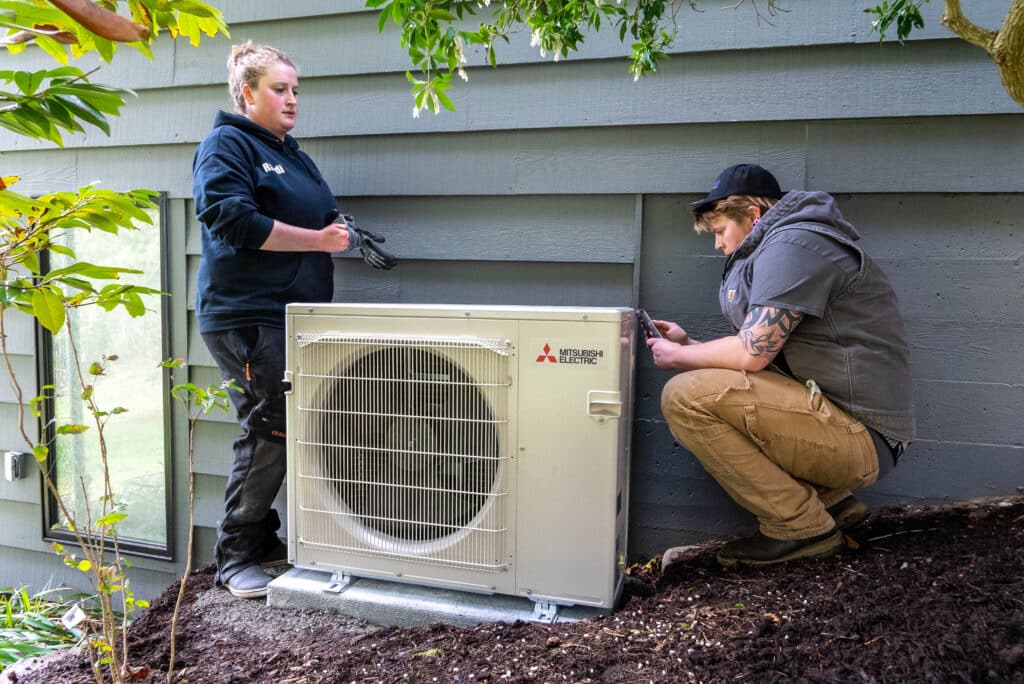
We show up on time, and get the work done to install your HVAC system with no headaches.

Stay Comfortable
We will have your new HVAC system installed in 1-2 days, helping you and your family get comfortable quickly.