Understand Federal HVAC Tax Credits & Current Savings Opportunities
Federal HVAC Tax Credits in Northwest Washington
Whether you’re replacing an aging furnace, upgrading to a qualifying heat pump, or installing a new high-efficiency HVAC system, our comfort advisors will help you identify available federal tax credits, utility rebates, financing options, and other savings opportunities—so you can make a confident investment.
Not sure what incentives apply to your home? We’ll review your project, answer your questions, and help you uncover every available opportunity to reduce your total investment.
Request Your Free HVAC Savings Consultation
We’ll review your project, explain available tax credits, utility rebates, financing options, and help you determine which incentives may apply to your home.
What Were Federal HVAC Tax Credits?
Federal HVAC tax credits were a federal incentive designed to encourage homeowners to invest in more energy-efficient heating and cooling equipment. Rather than receiving a rebate at the time of purchase, eligible homeowners could claim a tax credit when filing their federal income taxes, helping reduce the overall cost of qualifying home improvements.
These credits were available for qualifying equipment placed in service through December 31, 2025 under the Energy Efficient Home Improvement Credit. Eligible systems included many high-efficiency heat pumps, central air conditioners, furnaces, boilers, and other ENERGY STAR® certified products that met federal efficiency requirements.
While federal tax credit programs can change over time, homeowners should always verify current eligibility requirements before beginning a project. Our team stays up to date on available federal incentives, utility rebates, manufacturer promotions, and financing options to help you identify every available savings opportunity.
Quick Facts About Federal HVAC Tax Credits
Purpose
Help homeowners reduce the cost of installing qualifying energy-efficient HVAC equipment.
Who Offered the Credit?
The Internal Revenue Service (IRS) through the federal Energy Efficient Home Improvement Credit.
How It Worked
Eligible homeowners claimed the credit when filing their federal income tax return—it was not an instant rebate at the time of installation.
Qualifying Equipment
Depending on the program requirements, qualifying products included certain:
- Heat pumps
- Central air conditioners
- Natural gas furnaces
- Boilers
- Heat pump water heaters
- Other ENERGY STAR® certified equipment
Important
Federal tax credit programs may change or expire. Clean Air can help you determine which current incentives, rebates, and financing options may apply to your project.
Did You Know?
Federal tax credits are only one way homeowners save on a new HVAC system. Depending on your utility provider and equipment selection, you may also qualify for local utility rebates, manufacturer promotions, and financing options that can significantly reduce your overall investment.
Can You Still Claim a Federal HVAC Tax Credit?
The answer depends on when your qualifying HVAC equipment was placed in service and the federal tax credit program that applied at the time.
For many homeowners, federal tax credits were available through the Energy Efficient Home Improvement Credit, which applied to qualifying HVAC improvements placed in service through December 31, 2025. Homeowners who completed eligible projects during that timeframe may still be able to claim the credit when filing the appropriate federal tax return, provided they meet IRS requirements.
If you’re planning a new HVAC installation today, federal incentive programs may have changed. Fortunately, federal tax credits aren’t the only way to save. Many Northwest Washington homeowners can still reduce the cost of a new heating and cooling system through utility rebates, manufacturer promotions, and flexible financing options.
Rather than guessing which incentives apply, our comfort advisors can review your project and help you identify every available savings opportunity.
What You'll Need to Claim a Tax Credit
If your project qualifies, you may need documentation such as:
- Proof of purchase and installation
- Manufacturer certification or Qualified Manufacturer Identification Number (when required)
- Equipment model information
- Your federal tax records and applicable IRS forms
Because tax laws and program requirements can change, we recommend consulting a qualified tax professional regarding your individual tax situation.
Not Sure If Your System Needs Repair or Replacement?
Our team stays current on federal incentive programs, local utility rebates, and manufacturer promotions. We'll help you understand which savings opportunities may apply before you invest in a new HVAC system.
Which HVAC Systems Qualified for Federal Tax Credits?
Not every heating and cooling system qualified for a federal tax credit. Eligibility depended on the equipment type, efficiency rating, and federal requirements in place when the system was installed.
Below is an overview of the most common residential HVAC systems that have qualified under the Energy Efficient Home Improvement Credit.
Heat Pumps
High-efficiency heat pumps have historically qualified for some of the largest federal HVAC tax credits while providing efficient heating and cooling from one system.
- 🟧 Heating & Cooling
- 🟦 High Efficiency
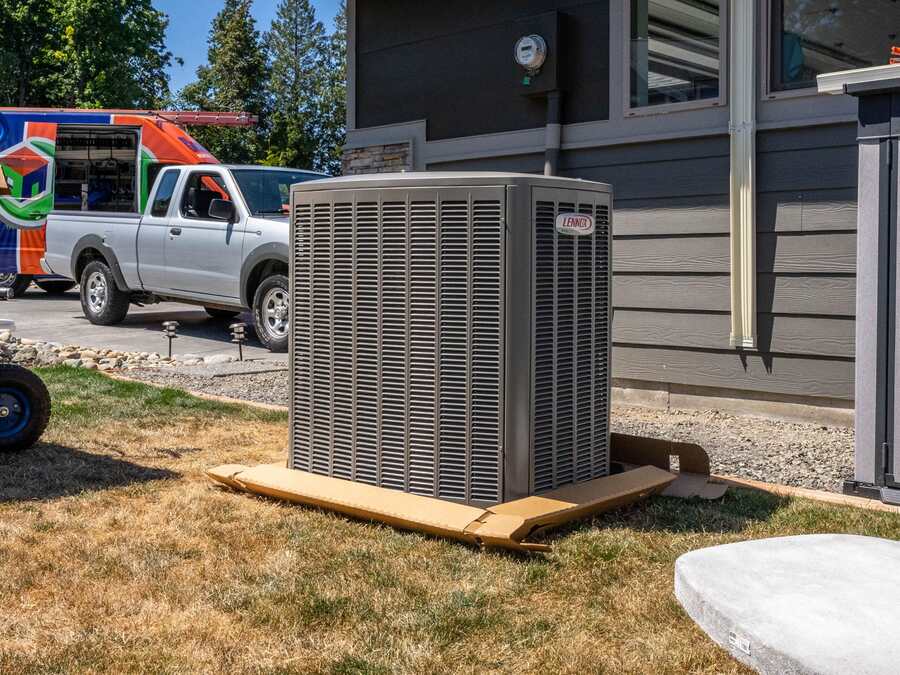
Central AC
Qualifying central air conditioners have met federal efficiency standards while helping homeowners improve comfort and lower cooling costs.
- 🟧 Efficient Cooling
- 🟦 Lower Energy Costs
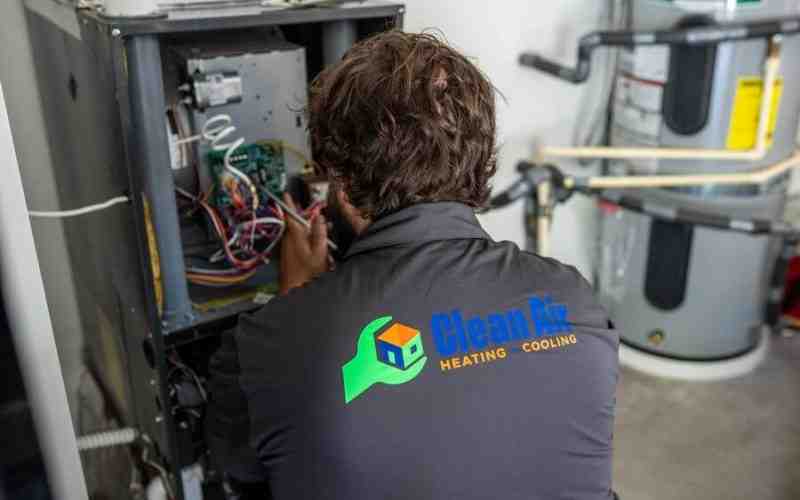
Furnaces
Qualifying high-efficiency furnaces have provided reliable heating while meeting federal energy efficiency requirements.
- 🟧 Reliable Heating
- 🟦 Improved Efficiency
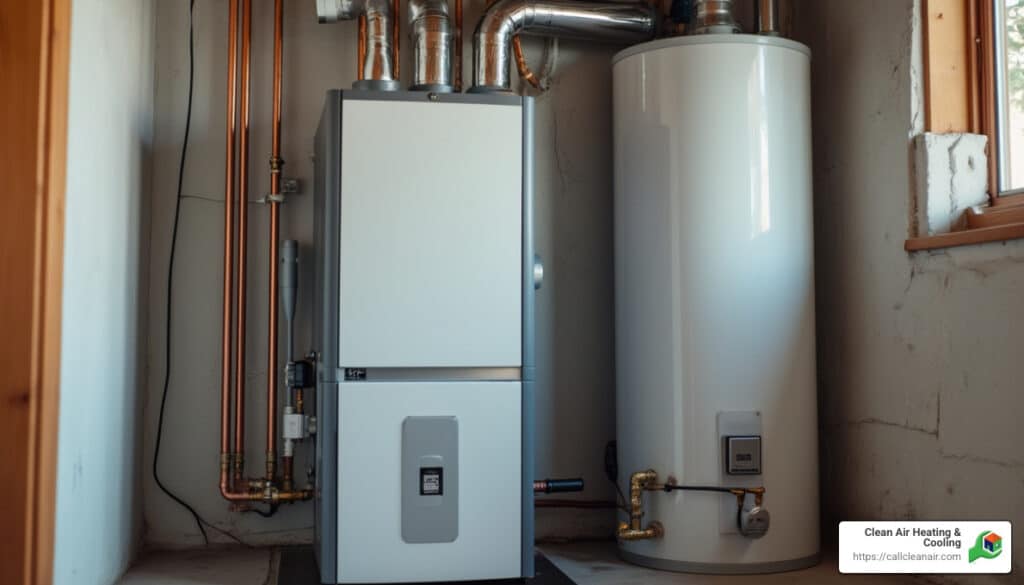
Boilers
Some high-efficiency boilers have qualified for federal tax credits while delivering dependable, energy-efficient home heating.
- 🟧 Efficient Home Heating
- 🟦 Long-Term Savings
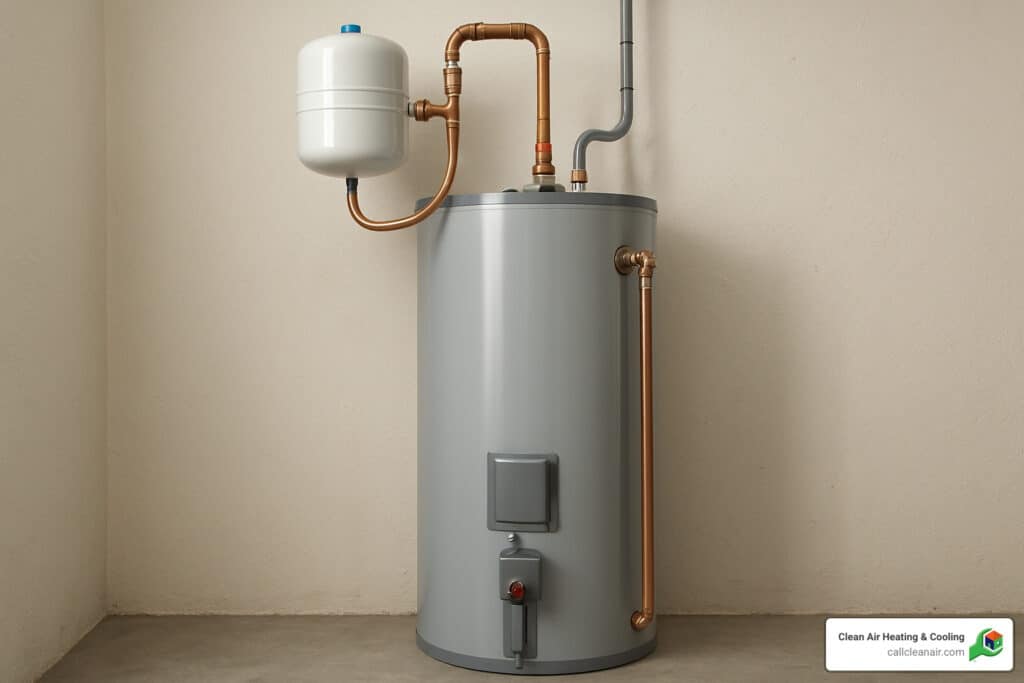
Heat Pump Water Heaters
Qualifying heat pump water heaters have historically offered one of the most energy-efficient ways to produce hot water and reduce utility costs.
- 🟧 Energy-Efficient Hot Water
- 🟦 Reduced Utility Bills
How Much Could You Save?
Federal HVAC Tax Credits Have Historically Covered Up to 30% of Qualified Costs
Under recent federal energy-efficiency programs, qualifying homeowners have historically been able to receive tax credits worth up to 30% of eligible project costs, subject to annual credit limits established by the IRS.
The exact amount depends on the equipment installed and the federal program in effect during the year your project is completed.
Clean Air helps homeowners understand which qualifying systems may maximize available federal tax incentives while balancing comfort, efficiency, and long-term value.
| Equipment | Historically Qualified | Potential Savings |
|---|---|---|
| 🌡 Heat Pumps | ⭐ Most Common | Up to Federal Annual Limit |
| ❄ Central AC | ✔ Select Models | Varies |
| 🔥 Furnaces | ✔ Select Models | Varies |
| 🏠 Boilers | ✔ Certain Models | Varies |
| 💧 Heat Pump Water Heaters | ⭐ Frequently Eligible | Up to Federal Annual Limit |
*Federal tax credit amounts, eligibility requirements, and annual limits may change. Always consult current IRS guidance or speak with our comfort advisors regarding qualifying equipment.
Do You Qualify for Federal HVAC Tax Credits?
Four Requirements Most Homeowners Should Know
Eligibility depends on several factors, including the equipment you install and the federal requirements in effect during the year of installation. While every situation is different, many homeowners qualify by meeting a few basic requirements.
1. Your Home Must Qualify
Federal HVAC tax credits have historically applied to existing primary residences located in the United States. Eligibility requirements may vary depending on the equipment installed and the federal program available during the year of installation.
2. Your Equipment Must Qualify
Not every HVAC system qualifies for a federal tax credit. Eligible equipment typically must meet federal energy-efficiency standards and, in many cases, be ENERGY STAR® certified or meet other IRS-recognized requirements.
3. Professional Installation Is Required
Most qualifying federal tax credits apply only to newly installed high-efficiency equipment. Professional installation helps ensure your system meets manufacturer specifications and applicable federal program requirements.
4. Filing Your Tax Credit
Federal HVAC tax credits are generally claimed when you file your federal income tax return.
Save your installation paperwork and manufacturer documentation for your records, and consult your tax professional when filing.
Not Sure If Your Project Qualifies?
Our comfort advisors stay current on qualifying equipment and available incentives. We'll help you compare eligible HVAC systems, explain your options, and identify every available savings opportunity before you make your investment.
How Clean Air Makes Tax Credits Simple
Helping You Save More Starts Before Your Installation
Understanding federal tax credits shouldn’t require hours of research. Our comfort advisors stay current on qualifying equipment, efficiency standards, and available incentives so you can make an informed decision with confidence.

✔ We Help You Choose the Right System
Our comfort advisors help you compare qualifying HVAC equipment based on your home’s comfort needs, efficiency goals, and budget—not simply the highest-priced option. We’ll explain your options, answer your questions, and help you make a confident decision.
✔ We Help You Maximize Every Available Savings Opportunity
Federal tax credits are only one piece of the puzzle. We’ll also review available utility rebates, manufacturer promotions, and financing options so you don’t leave money on the table.
✔ We Make the Process Simple
From helping you select qualifying equipment to providing the documentation you’ll need after installation, our team is here to make your HVAC replacement as straightforward and stress-free as possible.
Ready to See Which Federal Tax Credits You May Qualify For?
Whether you're replacing an aging furnace, upgrading to a qualifying heat pump, or comparing high-efficiency HVAC systems, our team is here to help you understand your options and maximize every available savings opportunity.
FAQs
Federal HVAC Tax Credits
What HVAC systems qualify for federal tax credits?
Many high-efficiency HVAC systems have historically qualified for federal tax credits, including certain heat pumps, central air conditioners, furnaces, boilers, and heat pump water heaters. Eligibility depends on the equipment meeting federal energy-efficiency requirements in effect during the year of installation.
How much is the federal HVAC tax credit?
Federal HVAC tax credits have historically covered up to 30% of eligible project costs, subject to annual limits established by the IRS. The exact amount depends on the type of equipment installed and the federal program available when your project is completed.
Can I combine a federal tax credit with utility rebates?
In many cases, yes. Homeowners may be able to combine federal tax credits with local utility rebates, manufacturer promotions, and financing programs. Eligibility varies by program, so it’s important to review all available incentives before purchasing new equipment.
Do I need an ENERGY STAR® HVAC system?
Many federal tax credit programs require qualifying equipment to meet ENERGY STAR® or other federal energy-efficiency standards. Not every HVAC system qualifies, which is why selecting the right equipment before installation is important.
How do I claim a federal HVAC tax credit?
Federal HVAC tax credits are typically claimed when you file your federal income tax return for the applicable tax year. Homeowners should keep installation invoices, equipment information, and any required manufacturer documentation for their records. Many people work with a tax professional when filing.
Does my home qualify for federal HVAC tax credits?
Federal tax credits have generally applied to improvements made to existing primary residences in the United States. Additional eligibility requirements may vary depending on the equipment installed and current federal program guidelines.
Can I claim a tax credit if I install the equipment myself?
Professional installation is generally recommended, and many qualifying tax credit programs apply only to newly installed equipment that meets manufacturer specifications and federal requirements. A professional installation also helps ensure your system performs safely and efficiently.
Are federal HVAC tax credits available every year?
Federal tax credit programs can change over time. Congress may modify eligibility requirements, annual limits, or qualifying equipment. Before replacing your HVAC system, it’s a good idea to verify the current program and available incentives.
Over 450 5-Star Google Reviews
Testimonials
- Quick To Respond
- We Show Up On Time
- High-Quality Work
- Show Professionalism

Continue Exploring HVAC Rebates & Savings

Federal Incentive Programs