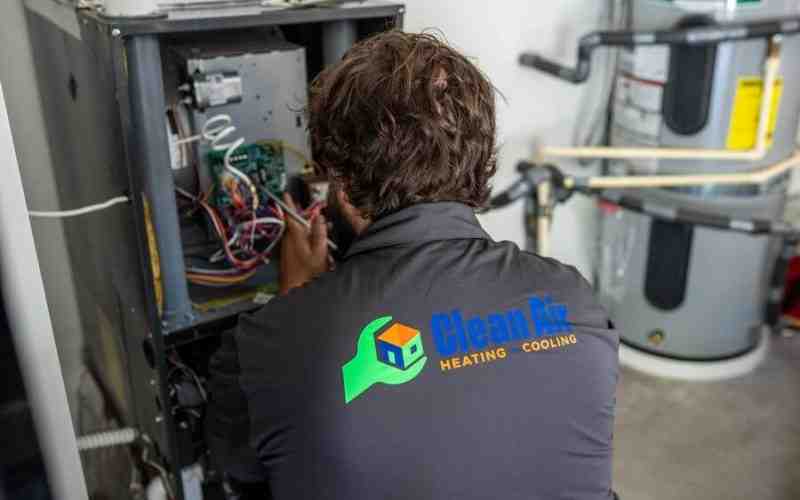
A furnace that turns on, runs briefly, shuts off, and then starts again a few minutes later is doing more than being annoying. That pattern can tell us something about what's happening inside the heating system.
HVAC technicians commonly refer to repeated, unusually short heating cycles as furnace short cycling. But short cycling isn't a diagnosis by itself. It's a symptom. The important part is figuring out why the furnace is ending its heating cycle early.
When we're diagnosing a furnace that keeps turning on and off, we pay close attention to timing: Does it ignite? How long do the burners stay on? Does the blower start? Is the thermostat still calling for heat when the furnace shuts down? Those clues can quickly narrow the possibilities.
Why Does My Furnace Keep Turning On and Off?
A furnace may repeatedly turn on and off because of a dirty filter, restricted airflow, thermostat problems, overheating, flame-sensing or ignition issues, or another problem interrupting the normal heating sequence. In some cases, an improperly sized furnace can also contribute to unusually short heating cycles.
Before scheduling service, you can safely check:
- Whether the thermostat is set to HEAT and functioning normally.
- Whether the furnace filter is dirty or heavily restricted.
- Whether supply and return vents are blocked.
- Approximately how long the furnace runs before shutting off.
- Whether the furnace displays a diagnostic error code.
Is Your Furnace Actually Short Cycling?
Furnaces are supposed to turn on and off. A normal heating cycle ends after the thermostat reaches its target temperature, and the furnace starts again when the home needs more heat.
What gets our attention is a furnace that repeatedly stops before the thermostat is satisfied, runs only briefly, or starts and stops much more frequently than it normally does.
Why Furnaces Start and Stop Repeatedly
A Dirty Filter Is Restricting Airflow
The air filter is one of the first simple things worth checking because restricted airflow can affect much more than comfort.
A furnace needs enough air moving across its heat exchanger. When airflow is severely restricted, furnace temperatures can rise. A safety limit can then shut the burners off to protect the equipment.
After the furnace cools, it may attempt another heating cycle. To a homeowner, the result can look like a furnace that keeps turning itself on and off.
Airflow Is Restricted Somewhere Else
Replacing a dirty filter doesn't automatically rule out an airflow problem.
Blocked or restricted returns, closed registers, blower problems, dirty components, and duct-system issues can all affect the amount of air moving through the furnace.
That's why we don't want to assume every overheating furnace simply needs a new filter. The filter is an easy homeowner check; the rest of the airflow system may need to be evaluated.
The Thermostat Is Affecting the Heating Cycle
The thermostat tells the furnace when the home needs heat, so a thermostat or control problem can sometimes create unusual cycling.
Settings, wiring, power issues, or thermostat location can all matter. For example, a thermostat influenced by an unusual heat source may read the room differently than the rest of the house.
The Furnace Is Overheating
A furnace that gets too hot may shut the burners down through its safety controls. This protects the equipment, but it can also create a repeated start-stop pattern if the underlying problem remains.
You may notice the burners stop while the blower continues running. The air coming from the vents can eventually feel cooler before the furnace tries to heat again.
That's also why short cycling and cold-air complaints can overlap.
The Flame Isn't Being Proven Reliably
On a gas furnace, the system needs to confirm that the burners have successfully ignited.
If the flame sensor cannot reliably prove flame, the furnace can shut the gas valve for safety—even though you may have seen or heard the burners ignite initially.
The furnace may then try the startup sequence again.
There's an Ignition, Venting, or Control Problem
Modern furnaces move through a specific sequence before and during every heating cycle. If a required safety condition isn't met, the furnace may stop the cycle rather than continue operating.
Ignition components, pressure switches, venting conditions, electrical controls, and other components can all interrupt that sequence.
The Furnace May Be Improperly Sized
Equipment sizing can affect how a heating system cycles. A furnace with more heating capacity than the home requires may satisfy the thermostat quickly and cycle more frequently than a properly matched system.
But sizing shouldn't be blamed automatically just because a furnace cycles frequently. Weather, thermostat settings, equipment type, system design, and the actual length of each cycle all matter.
What You Can Safely Check Yourself
Check the Filter
If it's visibly dirty or overdue for replacement, install the correct replacement filter and see whether normal operation returns.
Check the Thermostat
Make sure it's set to HEAT and that the temperature setting is above the current room temperature. If it uses batteries, check those too.
Check Your Vents
Make sure supply registers and return-air openings haven't been accidentally blocked by furniture, rugs, boxes, or other objects.
Watch One Heating Cycle
Note what starts, approximately how long the furnace runs, what stops first, and whether the thermostat is still asking for heat.
The Timing of the Shutdown Tells Us a Lot
Two homeowners can both tell us, “My furnace keeps turning on and off,” while their furnaces are experiencing completely different problems.
That's why watching the sequence is so useful. A typical gas furnace must complete several steps successfully before it can continue heating.
If the furnace stops somewhere in that sequence, the point where it stops helps guide the diagnosis. That is far more useful than replacing a part simply because short cycling is occurring.
Does the Furnace Start Warm and Then Blow Cold Air?
Pay attention to the air coming from your vents when the furnace shuts down. If it begins warm but turns cool while the blower continues running, the heating portion of the furnace may have stopped before the blower did.
Restricted airflow and overheating are two reasons these symptoms can appear together, although there are other possible causes.
If that's what you're experiencing, read our guide to why a furnace blows cold air for the other clues worth watching.
Frequent Cycling Is Worth Diagnosing Before the Next Cold Stretch
Heating problems often become easier to notice when temperatures drop in Bellingham and Northwest Washington and furnaces begin running more often. A system that seemed fine during mild weather may behave very differently once heating demand increases.
If your furnace is repeatedly starting and stopping, isn't maintaining the thermostat setting, or is shutting its burners down during a call for heat, don't assume the repeated cycling is normal.
Furnace Still Turning On and Off?
If you've checked the thermostat, filter, and accessible vents and your furnace continues shutting down before your home reaches temperature, Clean Air Heating & Cooling can diagnose what's interrupting the heating cycle. We'll explain what we find and your options before moving forward with a repair.
Furnace Short Cycling FAQs
What is furnace short cycling?
Furnace short cycling generally describes a furnace that repeatedly starts and stops in unusually short intervals instead of completing normal heating cycles. The cycling itself is a symptom, so the underlying cause still needs to be identified.
Why does my furnace turn on and then shut off after a few minutes?
Possible causes include restricted airflow, overheating, thermostat or control problems, flame-sensing issues, or another condition interrupting the heating sequence. The timing and behavior of the furnace during those few minutes can help identify the cause.
Can a dirty filter make a furnace short cycle?
Yes. A heavily restricted filter can reduce airflow through the furnace. If the furnace overheats, a safety limit may shut the burners off before the thermostat has been satisfied.
Is furnace short cycling dangerous?
Short cycling can have several causes, and some involve furnace safety controls. A furnace that repeatedly shuts itself down should not simply be reset over and over. If basic thermostat and filter checks don't solve the problem, professional diagnosis is appropriate.
Can a thermostat cause a furnace to turn on and off repeatedly?
It can. Thermostat settings, location, wiring, power, or control problems can affect heating calls. A technician can determine whether the thermostat is ending the call for heat or whether the furnace is shutting down while the thermostat is still requesting heat.
When should I call for furnace repair for short cycling?
Schedule furnace service if repeated cycling continues after checking the thermostat, filter, and accessible vents, or if the furnace will not stay running, cannot maintain temperature, displays an error code, or repeatedly shuts down during a call for heat.