
Furnace Repair vs. Replacement: How to Decide What’s Right for Your Home
Helping Washington Homeowners Make the Right Call—Without Pressure
When your furnace starts acting up, one question usually comes first: Should I repair it — or is it time to replace it?
In Washington’s cold, damp winter climate, furnaces often work harder for longer stretches of the year, which makes this decision especially important for comfort, safety, and long-term cost. At Clean Air Heating & Cooling, we help homeowners navigate this choice every day with clear information and honest guidance — not pressure.
This page walks through how to think about furnace repair versus replacement so you can make a confident, informed decision.
When Furnace Repair Is the Smarter Option
In many situations, repairing your furnace is the most practical and cost-effective choice — especially when the system is otherwise in good condition.
Furnace repair is often the right move if:
Your furnace is under 15 years old
The problem is isolated (such as an igniter, sensor, motor, or control issue)
The system has been regularly maintained
Repair costs are reasonable compared to replacement
Heating performance has been consistent until recently
Most common furnace issues can be repaired quickly and safely, restoring reliable heat without the cost of a full system replacement.
If you’re dealing with these types of issues, our furnace repair services can help identify the most effective solution.
When Furnace Replacement Makes More Sense
There are times when continuing to repair an aging furnace no longer makes financial or practical sense.
Replacement may be the better option if:
Your furnace is 15–20 years old or older
You’re experiencing frequent or recurring repairs
Major components, such as the heat exchanger, have failed
Heating is uneven or inefficient throughout the home
Energy bills continue to rise despite repairs
A modern furnace can improve comfort, increase energy efficiency, and reduce the risk of unexpected breakdowns during the coldest months.
Step 3: Clear Explanation & Repair Options
After diagnosing the issue, the technician explains:
What’s causing the problem
Whether the issue is repairable
What options make sense for your system’s age and condition
In many cases, furnace problems can be repaired safely and effectively. When a repair is possible, you’ll be given a clear recommendation and upfront pricing before any work begins.
If replacement is the smarter long-term option, that conversation happens transparently — without pressure.
The Cost Comparison Homeowners Often Miss
It’s natural to focus on the immediate repair cost — but the long-term picture matters more.
A general guideline many homeowners find helpful:
If a repair costs 50% or more of what a new system would cost, and the furnace is already near the end of its expected lifespan, replacement is often the smarter investment.
That said, no two systems are exactly alike. The right choice depends on age, condition, efficiency, and how long you plan to stay in your home.
How Clean Air Helps You Decide — Without Pressure
When our technicians evaluate a furnace, the goal is clarity, not sales.
During an inspection, we:
Diagnose the root cause of the issue
Explain whether repair or replacement makes sense
Review costs and expected system lifespan
Answer your questions honestly
Let you decide how to move forward
If replacement is recommended, we’ll also review system options and flexible financing, including fast pre-qualification with no hard credit check.
Not Sure Which Direction to Go?
If your furnace isn’t heating properly — or you’re weighing repair versus replacement — professional insight makes all the difference.
Scheduling a furnace inspection gives you clear answers, realistic expectations, and guidance you can trust.
Related Heating Services & Resources
Frequently Asked Questions
How long should a furnace last in Washington homes?
With proper maintenance, most furnaces last between 15 and 20 years.
Is it always cheaper to repair a furnace instead of replacing it?
Repairs are usually less expensive upfront, but replacement can be more cost-effective long-term if repairs are frequent or efficiency is poor.
Can furnace replacement be financed?
Yes. Clean Air offers flexible financing options with quick pre-qualification and no hard credit impact.
Call Clean Air Today For A FREE Estimate
Financing Available + 25% Utility Savings Guarantee
Over 450 5-Star Google Reviews
Testimonials
- Quick To Respond
- We Show Up On Time
- High-Quality Work
- Show Professionalism
What To Expect
Our Process
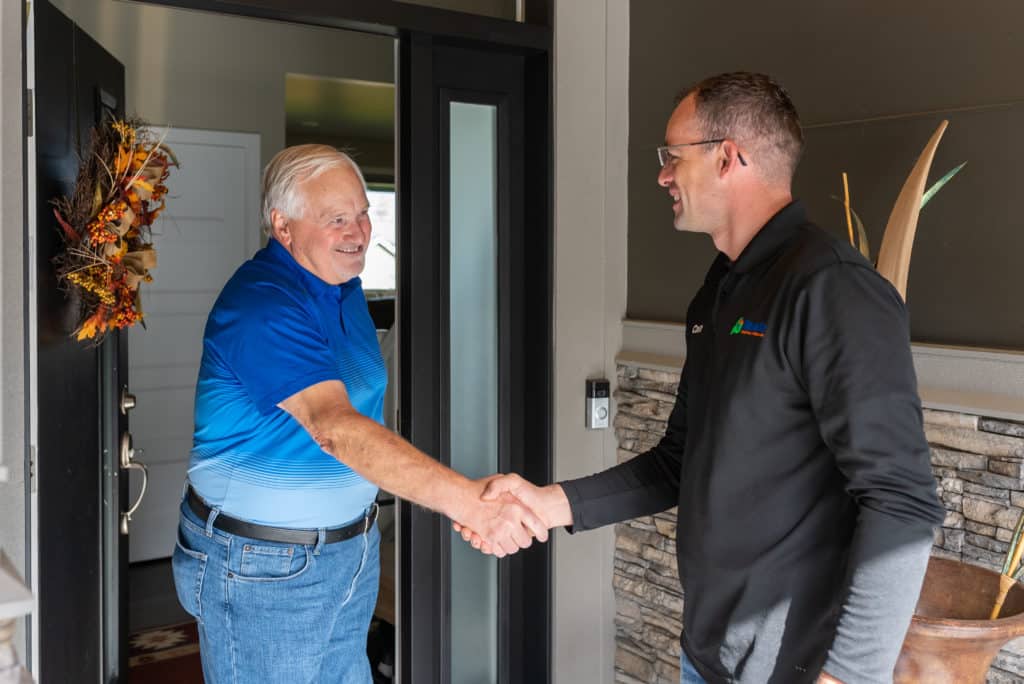
In Home Estimate
We’ll evaluate your home, discuss your needs, and agree on next steps.
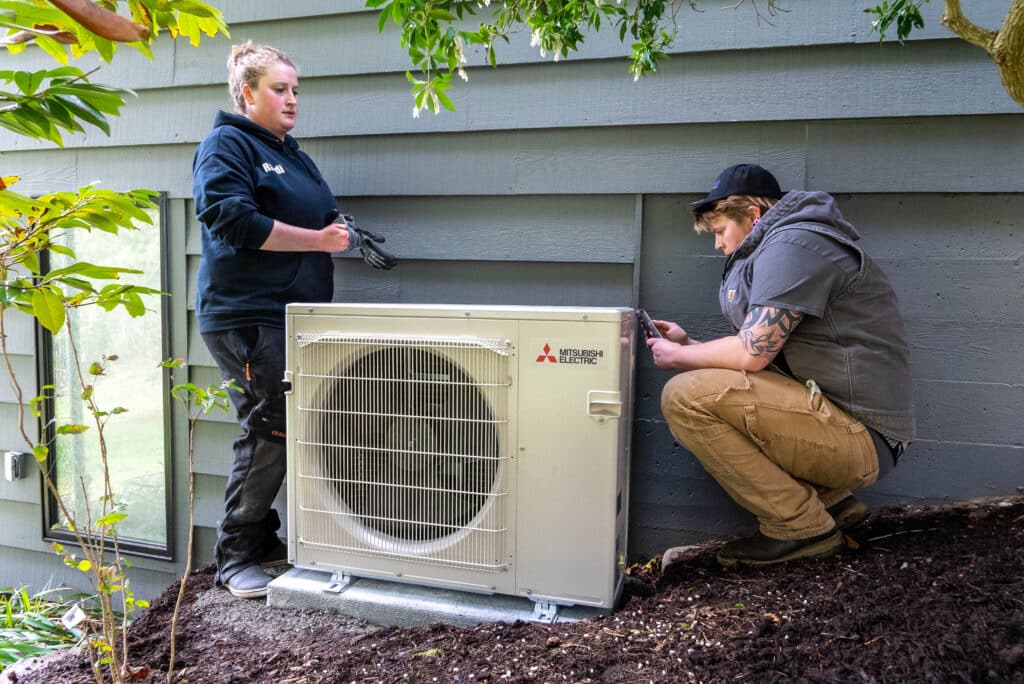
Installation & Repair
We show up on time, and get the work done to install your HVAC system with no headaches.

Stay Comfortable
We will have your new HVAC system installed in 1-2 days, helping you and your family get comfortable quickly.