
Is Your Fireplace Safe To Use?
How to Spot Warning Signs Before They Become Serious Problems
For many homeowners, a fireplace is one of the most enjoyable features in the home. Whether it’s a gas fireplace in the living room or a traditional wood-burning fireplace, it creates warmth, comfort, and ambiance during Northwest Washington’s colder months.
But fireplaces also involve heat, combustion, gas lines, venting systems, and moving components. Like any home comfort system, they require regular maintenance and occasional inspections to operate safely.
If you’re wondering whether your fireplace is safe to use, here are some warning signs that shouldn’t be ignored.
Signs Your Fireplace May Not Be Safe
Strange Odors
A fireplace should not produce strong or unusual odors.
Pay attention if you notice:
- Burning smells
- Gas odors
- Excessive smoke smells inside the home
- Musty or damp odors coming from the fireplace
While some smells can have simple explanations, others may indicate venting issues, gas leaks, buildup, or mechanical problems.
Smoke Entering Your Home
Wood-burning fireplaces should direct smoke safely up the chimney.
If smoke is entering your living space, there may be:
- Venting restrictions
- Chimney blockages
- Draft problems
- Excessive creosote buildup
Besides being unpleasant, smoke can affect indoor air quality and signal larger safety concerns.
The Pilot Light Won't Stay Lit
For gas fireplaces, pilot light problems are often one of the first signs something isn’t working properly.
Common causes include:
- Dirty components
- Faulty thermocouples
- Gas supply issues
- Ignition system problems
If the pilot repeatedly goes out, it’s best to have the fireplace inspected before continued use.
Visible Damage or Cracks
Inspect the area around your fireplace periodically.
Watch for:
- Cracked firebox panels
- Damaged masonry
- Loose venting components
- Rust or corrosion
- Damaged glass doors
Even small issues can worsen over time and affect safe operation.
Unusual Noises During Operation
Fireplaces should operate quietly.
Popping, rattling, banging, or clicking noises may indicate:
- Loose components
- Venting issues
- Burner problems
- Expansion-related damage
A professional inspection can identify the source before it becomes a larger repair.
How Often Should a Fireplace Be Inspected?
Most manufacturers and industry professionals recommend annual fireplace inspections.
Routine inspections help identify:
- Venting problems
- Gas leaks
- Component wear
- Creosote buildup
- Safety concerns before they become expensive repairs
Regular maintenance also helps keep your fireplace operating efficiently and reliably throughout the heating season.
Gas Fireplaces vs. Wood Fireplaces
Both gas and wood-burning fireplaces require maintenance and inspections.
Gas fireplaces should be inspected for:
- Burner performance
- Ignition systems
- Gas connections
- Venting components
Wood-burning fireplaces should be inspected for:
- Creosote buildup
- Chimney condition
- Draft performance
- Firebox integrity
No matter which type of fireplace you own, preventive maintenance is far less expensive than dealing with emergency repairs or safety hazards.
When to Schedule a Fireplace Inspection
If it’s been more than a year since your fireplace was inspected—or you’ve noticed any of the warning signs above—it’s a good time to schedule a professional evaluation.
A fireplace inspection can provide peace of mind and help ensure your system is operating safely before colder weather arrives.
Need Fireplace Service in Northwest Washington?
Clean Air Heating & Cooling provides professional fireplace inspections, repairs, cleaning, and installation services throughout Northwest Washington.
Whether you’re experiencing a specific problem or simply want to make sure your fireplace is safe to use, our team is here to help.
Fireplace Safety
Frequently Asked Questions:
How do I know if my fireplace is safe to use?
If your fireplace produces unusual odors, smoke enters the room, the pilot light won’t stay lit, or you notice visible damage, it’s a good idea to schedule a professional inspection. Annual inspections help identify potential safety concerns before they become serious problems.
How often should a fireplace be inspected?
Most fireplaces should be professionally inspected once per year. Regular inspections help ensure the system is operating safely, efficiently, and according to manufacturer recommendations.
Can a gas fireplace leak carbon monoxide?
A properly functioning gas fireplace should vent combustion gases safely outside the home. However, damaged venting systems or malfunctioning components can create safety risks. Regular inspections help identify these issues early.
Why does my fireplace smell like gas?
A persistent gas odor should never be ignored. If you smell gas near your fireplace, turn the system off and contact a qualified professional immediately to inspect the unit and gas connections.
Is it safe to use a fireplace that hasn't been used in years?
Not without an inspection. Chimneys, vents, burners, and other components can deteriorate over time. Before using an older or long-unused fireplace, have it professionally inspected to ensure safe operation.
What happens during a fireplace inspection?
A fireplace inspection typically includes checking burners, ignition systems, venting components, gas connections, safety controls, and overall system condition. The goal is to identify any safety concerns and ensure the fireplace is operating properly.
Call Clean Air Today For A FREE Estimate
Financing Available + 25% Utility Savings Guarantee
Over 450 5-Star Google Reviews
Testimonials
- Quick To Respond
- We Show Up On Time
- High-Quality Work
- Show Professionalism
What To Expect
Our Process
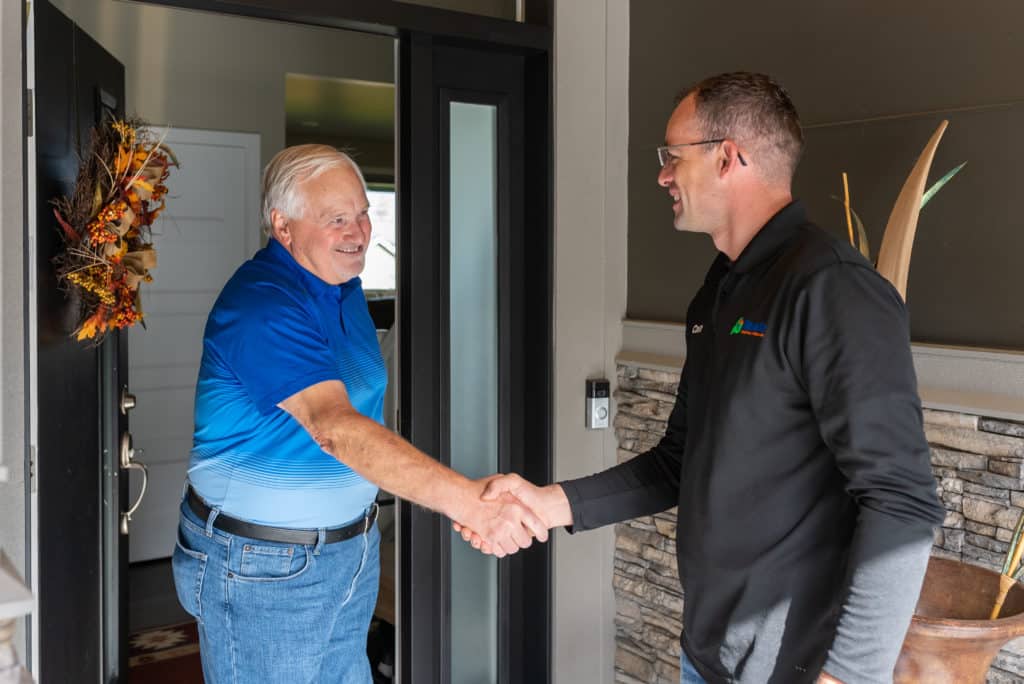
In Home Estimate
We’ll evaluate your home, discuss your needs, and agree on next steps.
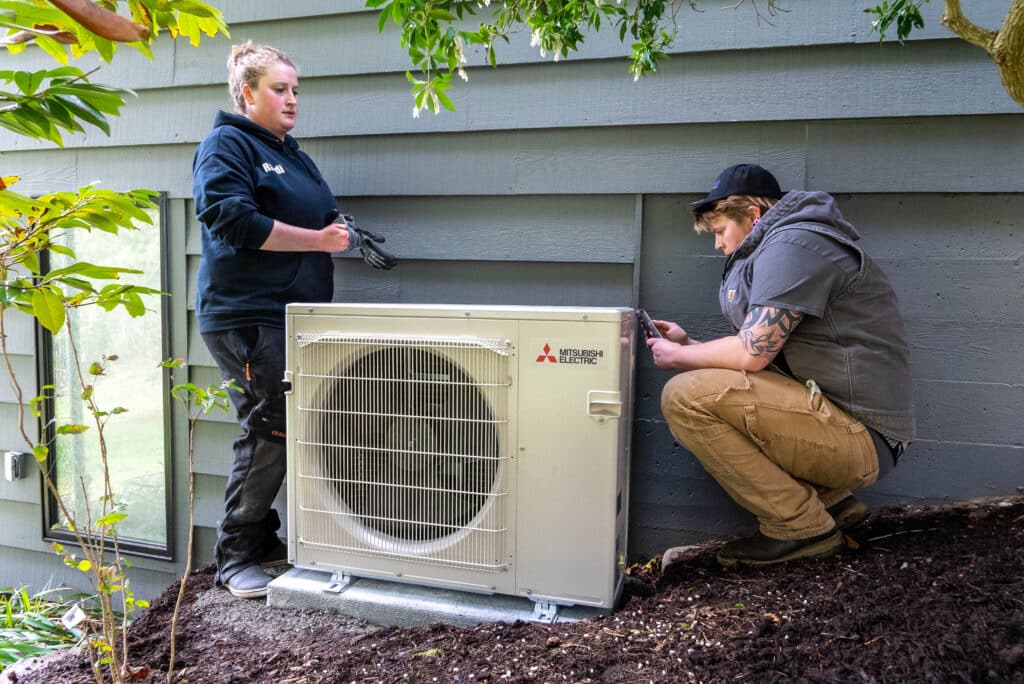
Installation & Repair
We show up on time, and get the work done to install your HVAC system with no headaches.

Stay Comfortable
We will have your new HVAC system installed in 1-2 days, helping you and your family get comfortable quickly.