
Why Your Fireplace Isn’t Heating Properly
Common causes of poor fireplace performance—and when it’s time to call a professional.
A fireplace should add warmth and comfort to your home. If yours is running but not producing the heat you expect, something may not be operating correctly.
The good news? A lack of heat doesn’t always mean you need a new fireplace.
In many cases, poor performance is caused by a maintenance issue, airflow restriction, or component failure that can be identified and corrected before it turns into a larger repair.
But fireplaces also involve heat, combustion, gas lines, venting systems, and moving components. Like any home comfort system, they require regular maintenance and occasional inspections to operate safely.
If you’re wondering whether your fireplace is safe to use, here are some warning signs that shouldn’t be ignored.
Not All Fireplace Heating Problems Mean Something Is Broken
One of the biggest misconceptions homeowners have is assuming a fireplace should heat an entire home.
While some systems are designed to supplement home heating, many fireplaces are intended to provide warmth primarily in the room where they’re installed.
If your fireplace suddenly seems less effective than it used to be, however, it’s worth investigating further.
Common Reasons Your Fireplace Isn't Producing Enough Heat
Dirty Burners or Components
Over time, dust, debris, and buildup can affect burner performance and reduce heat output.
Routine cleaning helps ensure your fireplace operates efficiently and safely.
Blocked or Restricted Venting
Proper airflow is essential for fireplace performance.
A vent blockage or drafting issue can prevent your system from operating at peak efficiency.
Signs may include:
- Weak flames
- Excessive soot
- Unusual odors
- Reduced heat output
Pilot Light or Ignition Issues
Gas fireplaces rely on properly functioning ignition systems.
If the pilot light is weak or components are beginning to fail, your fireplace may operate inconsistently or struggle to produce heat.
Worn Components
Like any heating appliance, fireplaces contain components that wear over time.
Common examples include:
- Thermopiles
- Thermocouples
- Ignition systems
- Gas valves
These issues often develop gradually before causing a complete loss of performance.
Signs It's Time for a Fireplace Inspection
Consider scheduling an inspection if you notice:
- Reduced heat output
- Strange odors
- Pilot light problems
- Excessive soot
- Smoke entering the room
- Difficulty starting the fireplace
Many of these issues are easier—and less expensive—to address when caught early.
Can Fireplace Maintenance Improve Heat Output?
In many cases, yes.
Routine fireplace maintenance helps keep components clean, improves airflow, and allows technicians to identify developing issues before they affect performance.
A well-maintained fireplace typically operates more efficiently, produces more consistent heat, and lasts longer.
Before You Assume You Need a Replacement
Many heating issues are repairable.
A professional inspection can determine whether the problem is related to maintenance, airflow, component failure, or normal system limitations.
The goal isn’t to replace a fireplace unnecessarily—it’s to understand what’s actually causing the problem.
Not Getting the Heat You Expect?
If your fireplace isn’t keeping your home comfortable, our team can help identify the issue and recommend the right solution.
Whether you need cleaning, repair, or a professional inspection, we’ll help get your fireplace performing the way it should.
Fireplace Troubleshooting
Frequently Asked Questions:
Why is my gas fireplace running but not producing much heat?
Dirty burners, venting restrictions, worn components, or airflow issues can all reduce heat output even when the fireplace appears to be operating normally.
Can a dirty fireplace affect heating performance?
Yes. Dust, soot, and debris can interfere with airflow and burner operation, reducing overall efficiency and heat production.
How often should a fireplace be cleaned?
Most fireplaces benefit from annual cleaning and inspection to maintain safe and efficient operation.
Why are my fireplace flames smaller than normal?
Small or weak flames may indicate burner issues, gas supply problems, or components that need adjustment or repair.
Should I repair or replace my fireplace?
Many heating issues can be repaired. A professional inspection can help determine whether repair or replacement makes the most financial sense.
Can a fireplace heat an entire home?
Most fireplaces are designed to heat a specific area rather than an entire house. Performance expectations depend on the fireplace type, size, and installation.
Call Clean Air Today For A FREE Estimate
Financing Available + 25% Utility Savings Guarantee
Over 450 5-Star Google Reviews
Testimonials
- Quick To Respond
- We Show Up On Time
- High-Quality Work
- Show Professionalism
What To Expect
Our Process
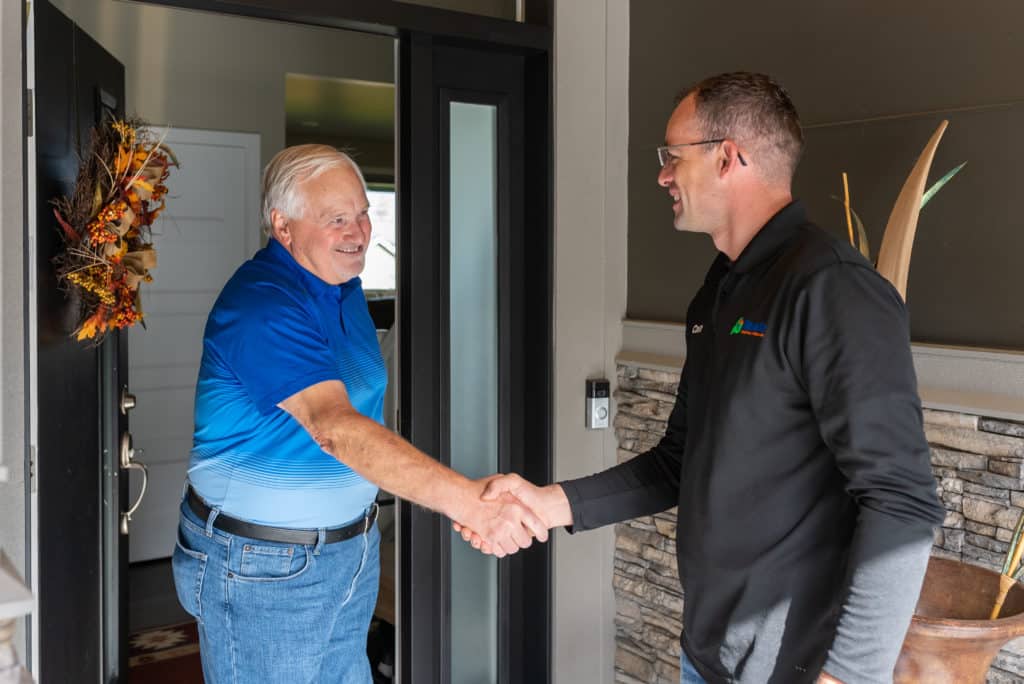
In Home Estimate
We’ll evaluate your home, discuss your needs, and agree on next steps.
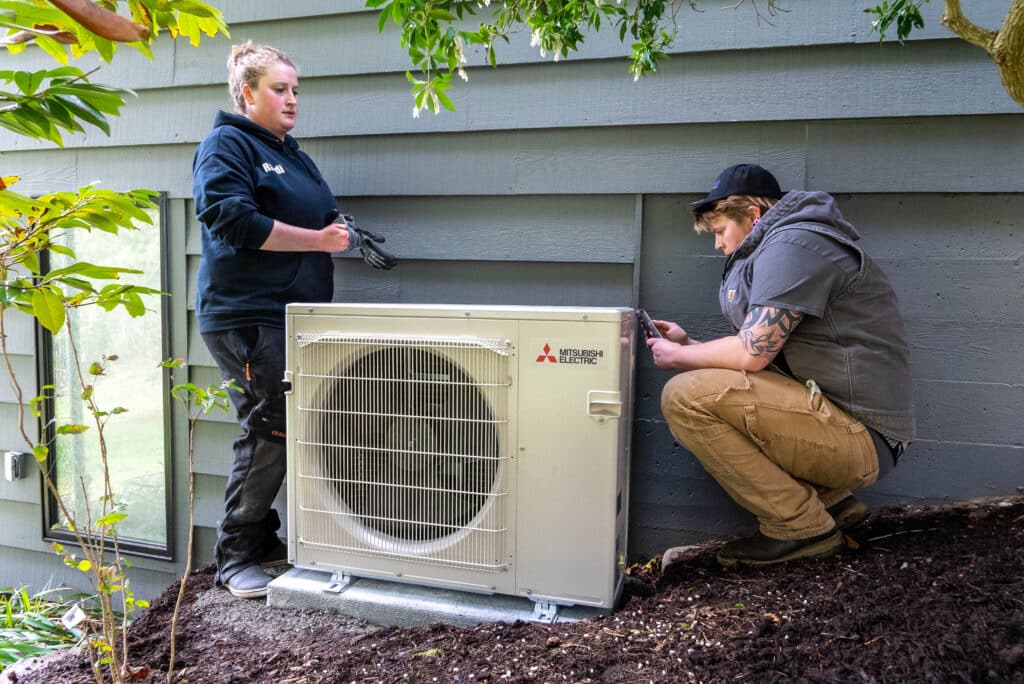
Installation & Repair
We show up on time, and get the work done to install your HVAC system with no headaches.

Stay Comfortable
We will have your new HVAC system installed in 1-2 days, helping you and your family get comfortable quickly.