Heat Not Working? Top 5 Quick Fixes!
When Winter Arrives and Your Furnace Doesn’t
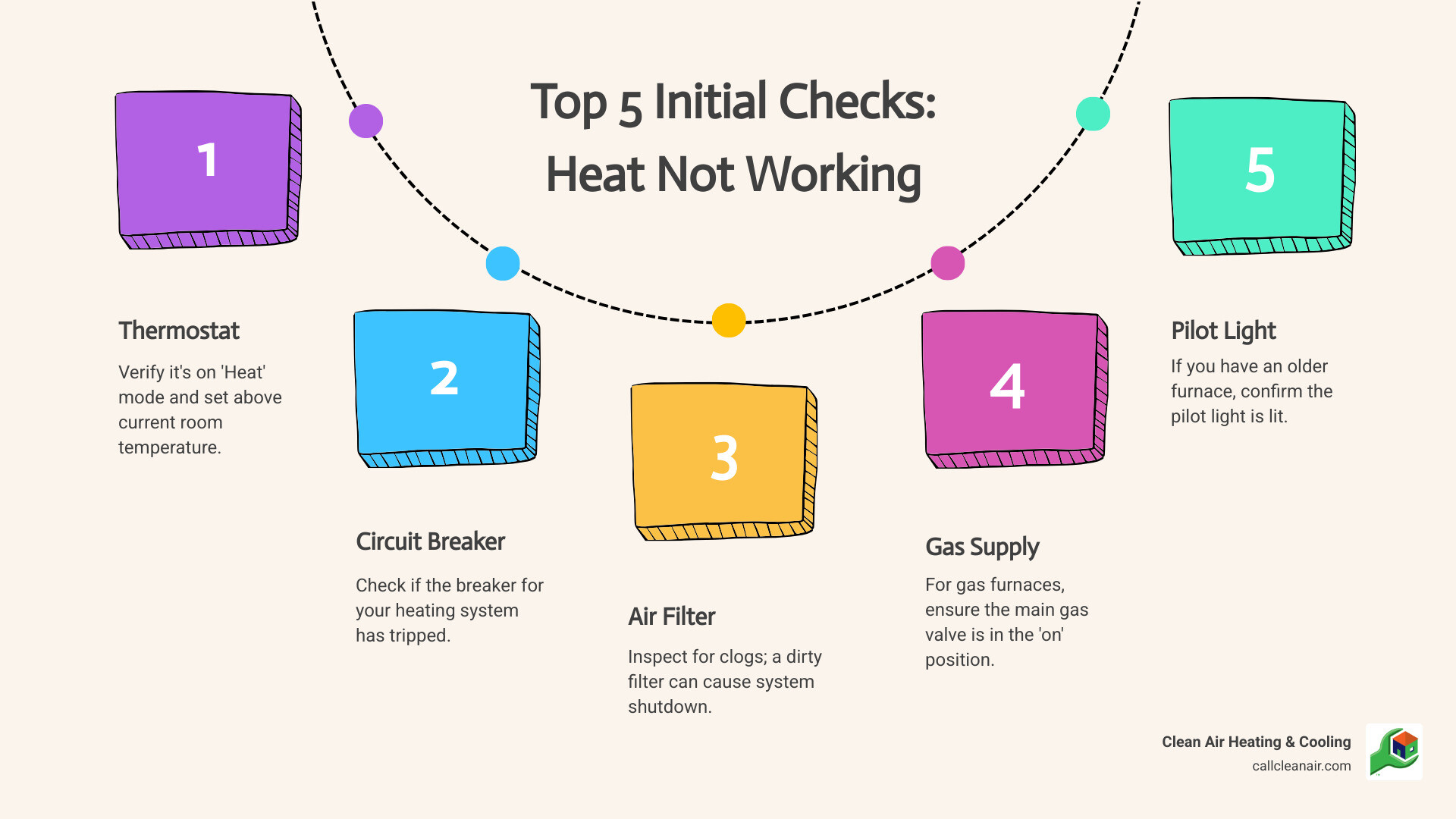
Heat not working is a frustrating emergency, especially during a cold Northwest winter. If you have no heat, here’s what to check first:
- Thermostat Settings – Verify it’s set to “Heat” mode and the temperature is higher than the current room temperature.
- Circuit Breaker – Check if the breaker for your heating system has tripped.
- Air Filter – A clogged filter can cause your system to overheat and shut down.
- Gas Supply – For gas furnaces, ensure the gas valve is in the “on” position.
- Pilot Light – If you have an older furnace, confirm the pilot light is lit.
Many heating failures are simple fixes. Dead thermostat batteries, tripped breakers, and dirty air filters cause most “no heat” service calls. Basic troubleshooting can often restore warmth to your home, saving you time and money.
However, complex problems like ignition system failures, refrigerant leaks, or electrical faults require a certified technician. Knowing the difference between a DIY fix and a professional job is crucial for your safety and your system’s health.
This guide provides a practical, step-by-step approach to diagnosing why your heat isn’t working, from simple checks to troubleshooting furnaces, heat pumps, boilers, and mini-splits.
I’m Colin Matei, owner of Clean Air Heating & Cooling, and I’ve helped Bellingham-area families resolve heat not working emergencies for years. My goal is to give you clear guidance to handle common issues and recognize when it’s time to call in professional help.
First Response: Simple DIY Checks Before You Panic
Coming home to a cold house is frustrating. Before you panic, let’s review some simple troubleshooting steps. Often, the solution to your heat not working problem is surprisingly easy.
What to Check First When Your Heat is Not Working
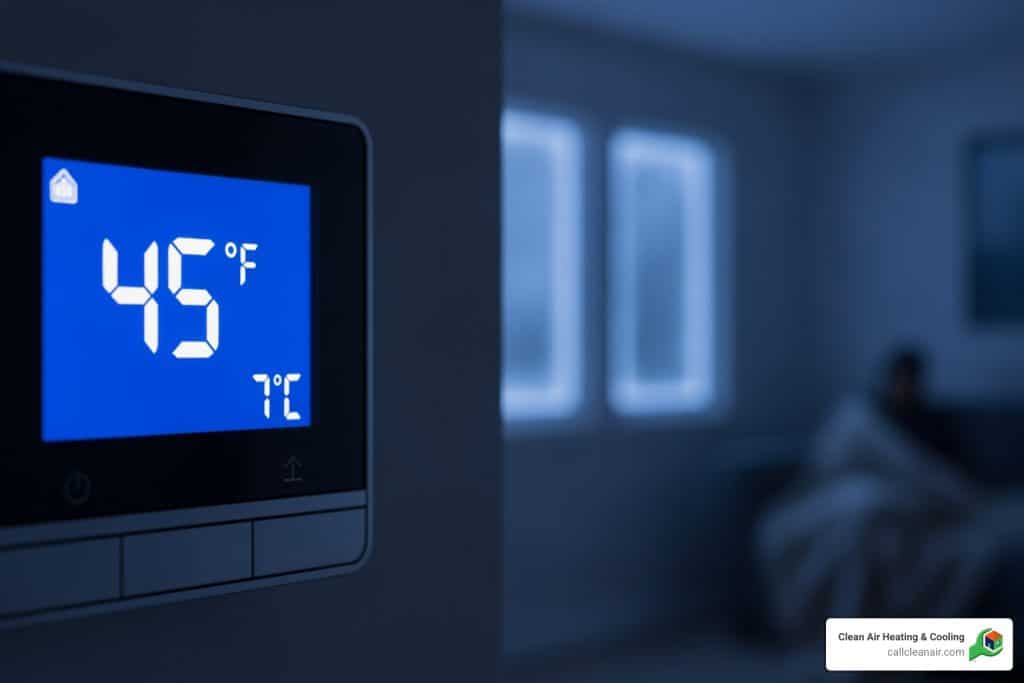
The thermostat is your heating system’s brain. If it’s not communicating correctly, your heater won’t turn on. Always check the thermostat first.
- Check Thermostat Settings: Ensure your thermostat is set to “Heat” mode, not “Cool” or “Off.” It might sound obvious, but it is a common oversight. Also, verify that the desired temperature is set higher than the current room temperature. If your home is 65°F and your thermostat is set to 60°F, your system will not activate.
- Fan Setting: Make sure your fan is set to “AUTO” rather than “ON.” If it is on “ON,” the fan will continuously blow air (often cool air if the heating element is not engaged), which can make you think your system is not heating.
- Dead Batteries: Many modern thermostats run on batteries. If your display is blank, unresponsive, or showing inconsistent readings, it might just need new batteries.
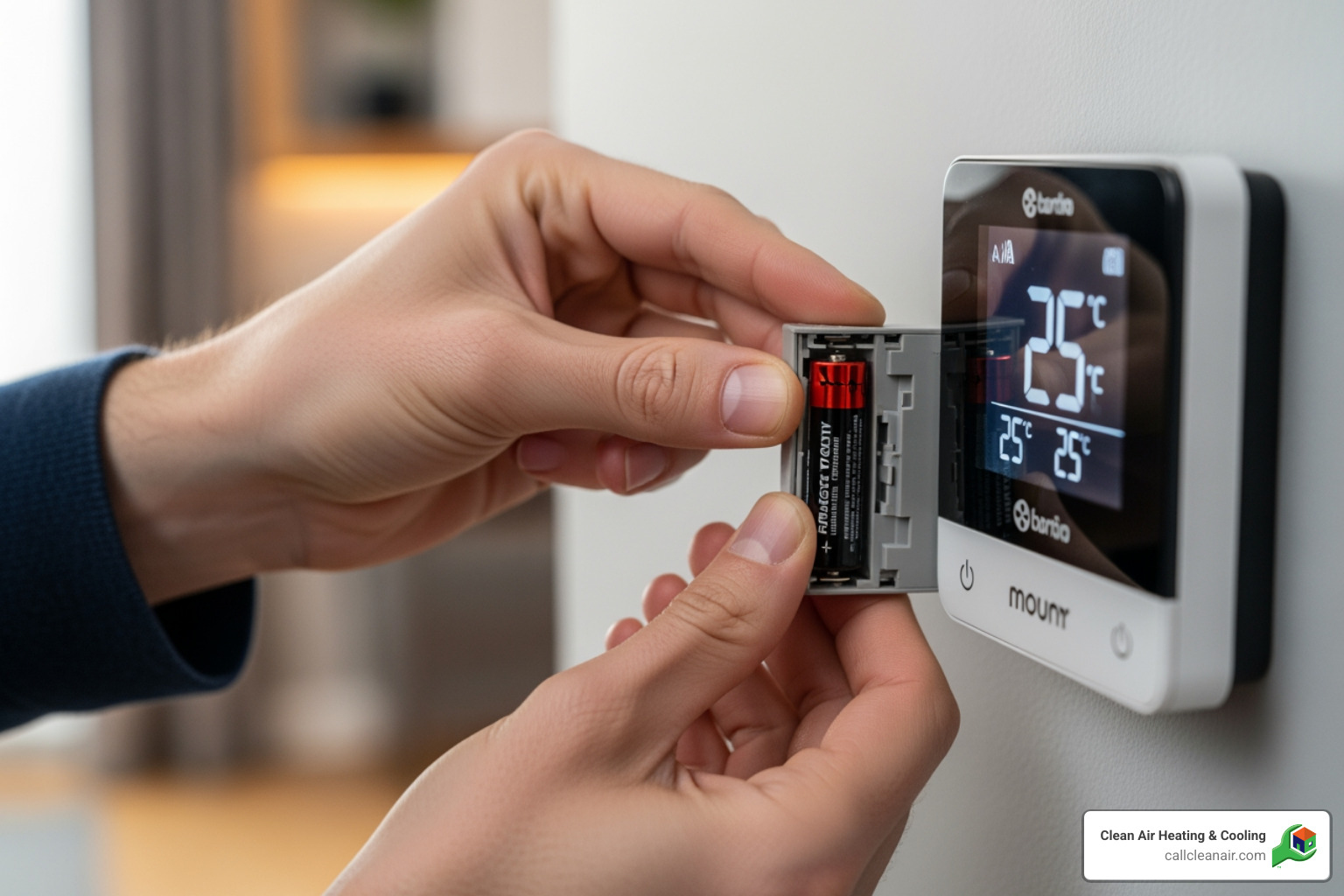
These initial checks can save you from an unnecessary service call.
Investigating Power and Fuel Supply Issues
If the thermostat is fine, check the power and fuel supply. A furnace, heat pump, or boiler is a large appliance that needs power to run.
- Tripped Circuit Breaker: Your heating system is connected to a dedicated circuit in your home’s electrical panel. If it is drawing too much power or there is a fault, the circuit breaker can trip, cutting power to the unit. Head to your electrical panel (usually in the basement, garage, or utility closet) and look for a breaker that is flipped to the “off” position or in the middle. To reset it, firmly push it all the way to “off” and then back to “on.” If it immediately trips again, there is a more serious electrical issue, and it is time to call us.
- Blown Fuses: Older homes or certain heating units might use fuses instead of breakers. If you have a fuse box, check for blown fuses and replace them with new ones of the correct amperage.
- Furnace Power Switch: Many furnaces have a dedicated light switch on or near the unit, often resembling a regular light switch. This is a safety kill switch. Ensure it is in the “on” position.
- Checking the Gas Supply: For gas furnaces, a lack of fuel is a common culprit for heat not working. Check the gas valve on the gas line leading to your equipment and make sure it is opened. This valve is usually a quarter-turn valve and should be parallel with the gas line when open. Also, verify that your gas service has not been interrupted. You can find more information on gas furnaces from reliable sources like the Department of Energy at energy.gov.
The Critical Role of Air Filters and Vents
A clogged air filter is like trying to breathe through a pillow: it suffocates your system. Proper airflow is essential for efficient and safe heating.
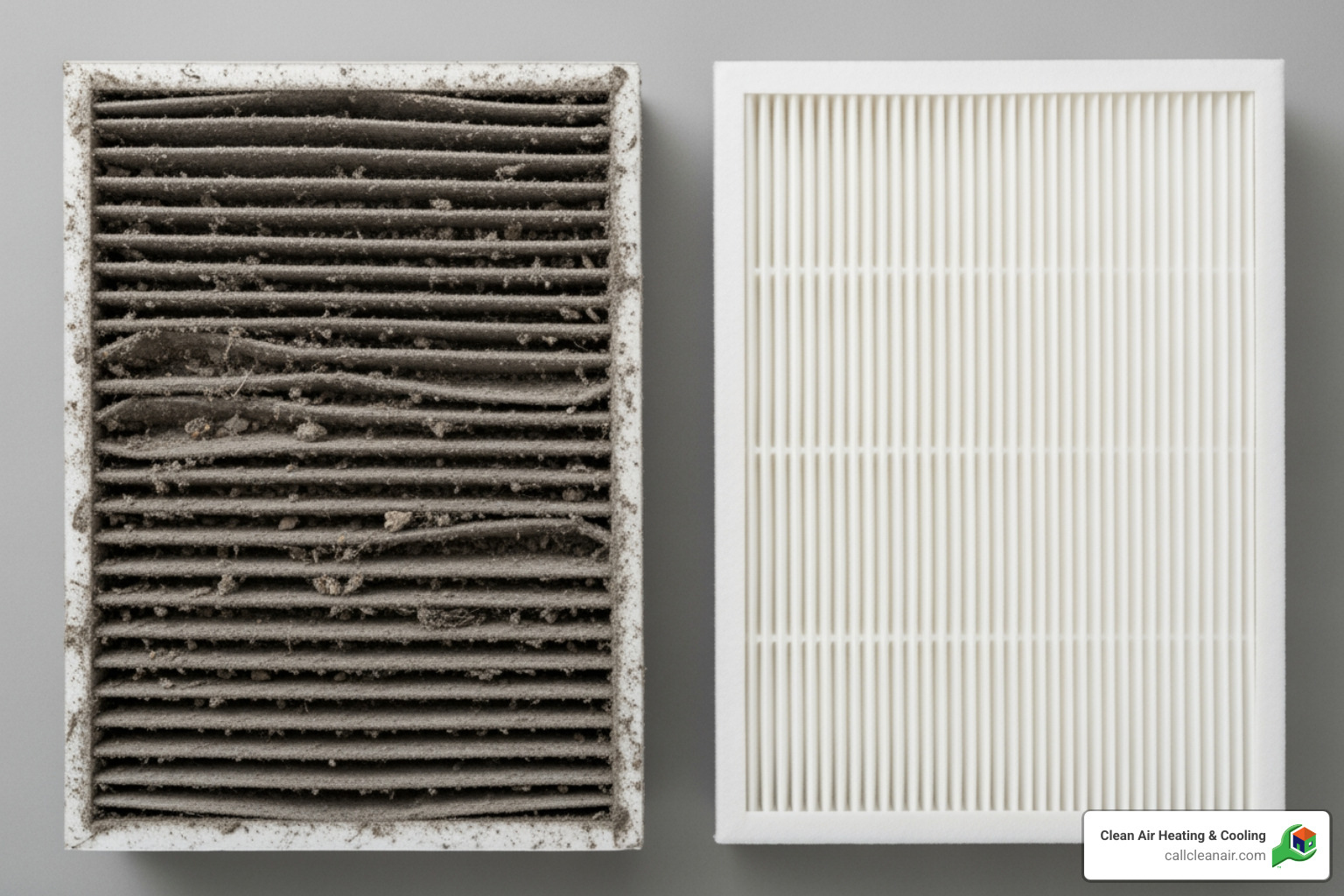
- How Clogged Filters Restrict Airflow: A dirty or clogged air filter is one of the most common reasons a heating system struggles, or even completely stops working. It restricts the flow of air, forcing your system to work harder, which increases energy consumption and can lead to overheating. When a furnace overheats, it often shuts down as a safety measure.
- Checking and Replacing Filters: We recommend checking your air filter monthly and replacing it every 1 to 3 months, or more frequently if you have pets, allergies, or if there is construction nearby. A clean filter ensures proper airflow, allowing your system to operate efficiently. For detailed guidance, see our insights on HVAC Filter Replacement.
- Ensuring Vents and Registers are Open and Unblocked: Take a quick tour of your home. Are all your heating vents and return air registers open? Are they unobstructed by furniture, rugs, or drapes? Blocked vents can lead to uneven heating and put extra strain on your system.
Digging Deeper: Common Causes for Heat Not Working
If the simple checks did not work, it is time to look at common mechanical and safety failures that may require more expertise.
Pilot Light or Ignition System Failure
The heart of your furnace’s heating process is ignition. Without it, there is no flame, and no heat.
- Differentiating Pilot Light vs. Electronic Ignition: Older gas furnaces typically use a standing pilot light, a small, continuous flame that ignites the main burners. Newer, high-efficiency furnaces use an electronic ignition system (either a hot surface ignitor or an intermittent pilot) that only sparks when heat is called for.
- How to Safely Relight a Pilot Light: If you have an older furnace with a pilot light, it might have gone out due to a draft or debris. Most furnaces have instructions printed on a label near the burner assembly. You will typically turn the gas valve to “off,” wait a few minutes for any residual gas to dissipate, then turn it to “pilot,” hold down the reset button, and use a long lighter to ignite the pilot flame. Hold the button for about a minute until the flame stays lit, then turn the valve to “on.” If you smell gas, stop, leave your home immediately, and call 911 and your gas company from a safe location.
- Signs of a Faulty Ignitor: For furnaces with electronic ignition, a faulty ignitor means the burners will not light. You might hear the blower fan run, but no heat is produced. Sometimes, you will hear repeated clicking sounds as the ignitor attempts to spark but fails. This usually requires professional diagnosis and replacement.
Drainage, Motors, and Mechanical Faults
Modern heating systems have many components that can malfunction and cause a breakdown.
- Full Condensation Pan: High-efficiency furnaces and heat pumps produce condensation as part of normal operation. This water collects in a condensation pan and drains away. Many systems have a safety float switch in this pan that will shut down the unit if the pan is full to prevent water damage.
- Clogged Condensate Drain Line: A full pan often indicates a clogged condensate drain line, usually due to algae or debris. Clearing this blockage can restore operation. For more on this, especially for AC units which have similar drain lines, refer to our guide on AC Drain Line Clogged.
- Signs of a Malfunctioning Blower Motor: The blower motor circulates heated air throughout your home. If it is malfunctioning, you might experience no airflow, weak airflow, or unusual noises.
- Overloaded Motor: If the motor is struggling, it can overheat and trip a thermal overload switch, causing the unit to stop. If you suspect an overloaded motor, turn off your system at the thermostat and the furnace’s power switch, and allow it to cool for at least 30 minutes before attempting to restart. If it keeps shutting down, it is time for professional help.
Decoding Strange Noises and Burning Smells
Unusual sounds and smells often signal a problem.
- Rumbling or Screeching Sounds: A rumbling noise after the heating cycle can indicate issues with the burner. Screeching often points to a problem with the blower motor’s bearings or the motor itself.
- Banging or Clanging: Banging sounds might be due to expanding and contracting ductwork. A clanging noise could indicate a loose component inside the unit, such as a fan blade hitting something.
- What to Do If You Smell Gas: If you detect a rotten-egg smell (the odorant added to natural gas) or hear a hissing sound near your furnace, you might have a gas leak. Do not use any electrical switches, light matches, or use your phone inside. Immediately evacuate everyone from your home. Once outside, call 911 and your gas company from a safe distance. Do not re-enter your home until emergency services declare it safe.
- Burning Dust Smell vs. an Electrical or Mechanical Burning Smell: When you first turn on your heater for the season, a slight burning dust smell is common as accumulated dust on the heating elements burns off. This usually dissipates quickly. A persistent burning smell, especially one that is acrid or plastic-like, could indicate an electrical problem (overheating wires) or a mechanical issue (burning rubber from a belt). If you suspect an electrical or mechanical burning smell, turn off your system and call for professional service.
System-Specific Troubleshooting
Different heating systems have unique problems. In Northwest Washington, we see a variety of systems, and knowing the specifics helps when your heat not working issue occurs.
Troubleshooting a Heat Pump When the Heat is Not Working
Heat pumps are efficient but operate differently than traditional furnaces.
- Checking the Outdoor Unit for Debris: Heat pumps have an outdoor unit that absorbs heat from the air and transfers it inside. Ensure this unit is clear of leaves, snow, ice, and other debris that can restrict airflow.
- Understanding the Defrost Cycle: During colder temperatures, it is normal for a heat pump’s outdoor coil to accumulate some frost. Heat pumps have a defrost cycle that temporarily reverses operation to melt this frost. If your unit is covered in a thick layer of ice, it could indicate a problem with the defrost cycle or other issues. You might need to carefully thaw the ice (using warm water, never sharp objects) and clear any blockages. For a deeper dive, see our guide on What are Heat Pumps? How Do They Work?.
- Refrigerant Leak Issues: Heat pumps rely on refrigerant to transfer heat. If you have a refrigerant leak, your system will not be able to effectively heat your home. Signs include reduced heating, ice buildup on coils, and a hissing sound. Refrigerant leaks require a certified technician, as the Environmental Protection Agency (EPA) mandates that only certified technicians can recharge your home’s HVAC unit with refrigerant. Learn more on the EPA’s website.
Common Boiler Problems and Solutions
Boilers heat water to provide warmth through radiators or radiant floor systems.
- Low Water Pressure: Boilers need adequate water pressure to circulate hot water effectively. If the pressure gauge on your boiler shows a reading below the recommended level (often between 12-15 PSI, but check your manual), you might need to add water to the system.
- Bleeding Radiators to Release Trapped Air: If some of your radiators are cold at the top but warm at the bottom, it is likely due to trapped air. You can bleed the radiators using a radiator key to release this air. Place a rag or small container under the valve to catch any water.
- Frozen Condensate Pipe: High-efficiency condensing boilers produce wastewater that drains through a condensate pipe. In very cold weather, especially if the pipe is exposed outdoors, it can freeze, causing a blockage and shut down. You can often thaw a frozen condensate pipe by pouring warm (not boiling) water over the frozen section or by wrapping it with a warm towel. If you are experiencing boiler issues in the Bellingham area, our team at Clean Air is ready for Bellingham Boiler Repair.
Ductless Mini-Split Not Heating
Ductless mini-split systems are popular for zone-specific heating and cooling.
- Checking Remote Control Settings: Ensure your remote control is set to heating mode and the temperature is appropriate. Sometimes, the mode gets accidentally switched.
- Cleaning the Indoor and Outdoor Units: Like other HVAC systems, mini-splits need clean coils and filters to operate efficiently. Dirty filters in the indoor unit can restrict airflow, while a dirty outdoor unit can hinder heat absorption. For tips on keeping your system in top shape, see our Mini Split Maintenance guide.
- Understanding Error Codes: Many mini-split systems have digital displays that show error codes when a problem occurs. Consult your owner’s manual to decipher these codes, as they can often point you directly to the source of the issue.
When to Call the Pros: Repair vs. Replace
While many issues are DIY-friendly, some problems require a professional. Knowing when to call for help is crucial for your safety and your system’s health.
Signs You Need Professional Heating Repair Bellingham, WA
After going through our troubleshooting checklist, if your heat not working issue persists, or if you encounter any of the following, it is time to call in the experts.
- Persistent Issues After Troubleshooting: If you have checked everything we discussed and still have no heat, or if the problem keeps recurring, it indicates a deeper issue.
- Electrical Problems Beyond a Tripped Breaker: If your circuit breaker trips repeatedly, or if you see flickering lights or smell burning plastic, it could be a serious electrical fault that requires immediate professional attention.
- Loud, Continuous Mechanical Noises: Persistent grinding, screeching, banging, or clanging can indicate a failing motor, fan, or other critical component.
- Water Leaks Around the Furnace or Boiler: While a full condensation pan might be a DIY fix, persistent or significant water leaks could point to severe internal damage.
- Gas Leaks: If you suspect a gas leak, evacuate immediately and call 911. Never attempt to fix a gas leak yourself.
- No Heat from a Heat Pump with Icing: If your heat pump is thoroughly iced over and not defrosting, or if you suspect a refrigerant leak, a certified technician is needed.
- Any Problem You Are Not Comfortable Handling: If you are unsure about any step or feel out of your depth, do not hesitate to call.
For a more complete list of warning signs that your system needs attention, see our guide on Signs My HVAC System Needs Repair.
Is It Time for a New Furnace?
Sometimes, replacing your system is more cost-effective than another repair.
- Age of the System (15+ years): Furnaces typically last 10 to 15 years, though some can go longer with excellent maintenance. If your system is approaching or past this age, a major repair might only be a temporary fix, and investing in a new, more efficient unit could be wiser in the long run.
- Rising Energy Bills: If your heating bills are steadily climbing without a change in usage or energy prices, your system might be losing efficiency.
- Frequent and Costly Repairs: A furnace that constantly needs repairs (especially if they are expensive) is signaling that it is nearing the end of its life.
- Uneven Heating: If certain rooms are always cold, even after checking vents and insulation, it could indicate that your furnace can no longer adequately heat your entire home.
If these signs sound familiar, it might be time to consider a new, high-efficiency furnace. Our team specializes in Furnace Replacement Bellingham, WA and can help you find the right system for your home and budget.
The Value of Preventative Maintenance
The best way to avoid a “heat not working” crisis is prevention. Regular preventative maintenance catches small issues before they become big, expensive problems.
- How Annual Tune-ups Help: Regular maintenance helps identify worn parts, clean crucial components, and ensure everything is operating correctly.
- Improving Efficiency: A well-maintained system runs more efficiently, meaning it uses less energy to heat your home.
- Extending System Lifespan: Just like your car, regular servicing extends the life of your heating system.
- What is Included in a Professional Tune-up: A comprehensive tune-up by our certified technicians typically includes cleaning coils, checking electrical connections, lubricating moving parts, inspecting the heat exchanger, verifying thermostat calibration, and more. We also offer HVAC Maintenance Plans designed to keep your system running smoothly year-round.
Frequently Asked Questions about Heating Problems
We hear a lot of questions about heating issues from our customers across Northwest Washington. Here are some of the most common ones.
Why is my furnace blowing cold air?
If your furnace is blowing cold air, consider these common culprits:
- Thermostat Fan Setting on “ON”: If your thermostat’s fan is set to “ON” instead of “AUTO,” the fan will run continuously, even when the furnace is not actively heating, pushing unheated air through your vents.
- Overheated Furnace Shutting Off Burners: A clogged air filter or blocked vents can cause the furnace to overheat and shut off the burners as a safety measure, while the fan continues to blow cool air.
- Clogged Filter Restricting Airflow: A dirty filter chokes your system, making it work harder and potentially causing it to overheat.
- Leaky Ductwork: If your ductwork has leaks, especially in unheated areas like attics or crawl spaces, the warm air can escape before reaching your living spaces.
How often should I change my furnace filter?
A common rule of thumb is to change your furnace filter every 90 days (3 months). Several factors might require more frequent changes:
- Pets: Homes with furry friends will accumulate more pet dander and hair, necessitating more frequent changes (every 30-60 days).
- Smoking: If someone smokes indoors, filters will clog faster.
- Allergies or Asthma: More frequent changes (every 30-45 days) can help maintain better indoor air quality.
- Construction Dust: If you are doing renovations or there is construction nearby, your filter will gather dust quickly.
- High Usage: During peak heating season, your system runs more, and the filter loads faster.
Regular filter changes are one of the simplest and most effective ways to maintain your system’s efficiency and prevent the heat not working headache.
What should I do if I smell gas near my furnace?
If you smell gas (often described as a rotten-egg odor) near your furnace, act immediately:
- Evacuate: Get everyone, including pets, out of the house right away.
- Do Not Use Electronics or Light Switches: Do not turn lights on or off, use cell phones, or operate any electrical appliances inside the house.
- Turn Off Gas Supply at the Meter if Safe: If you know how to safely turn off the main gas valve outside your home, do so.
- Call 911 and Your Gas Company from a Safe Location: Once you are a safe distance from your home, call emergency services and your gas provider.
- Do Not Re-enter: Do not go back into your home until emergency personnel confirm it is safe to do so.
Stay Warm with Expert Help
DIY troubleshooting can solve many common heating problems, saving you time and money. However, safety should always be your top priority. For complex mechanical issues, electrical faults, or any problem you are not comfortable handling, it is always best to call a certified professional.
The team at Clean Air Heating & Cooling has provided trusted HVAC Troubleshooting Services to residents in Whatcom, Skagit, Snohomish, Island, and San Juan Counties for years, helping keep homes safe and warm all winter long. With over 480 5-star Google reviews and a 25% utility savings guarantee, we focus on prompt, high-quality service and customer satisfaction.
If your heat is not working and you are in Northwest Washington, contact Clean Air Heating & Cooling today and we will help you get your home comfortable again.