New HVAC system: 2025 Guide to Perfect Home Comfort
Why a New HVAC System Could Be Your Best Home Investment
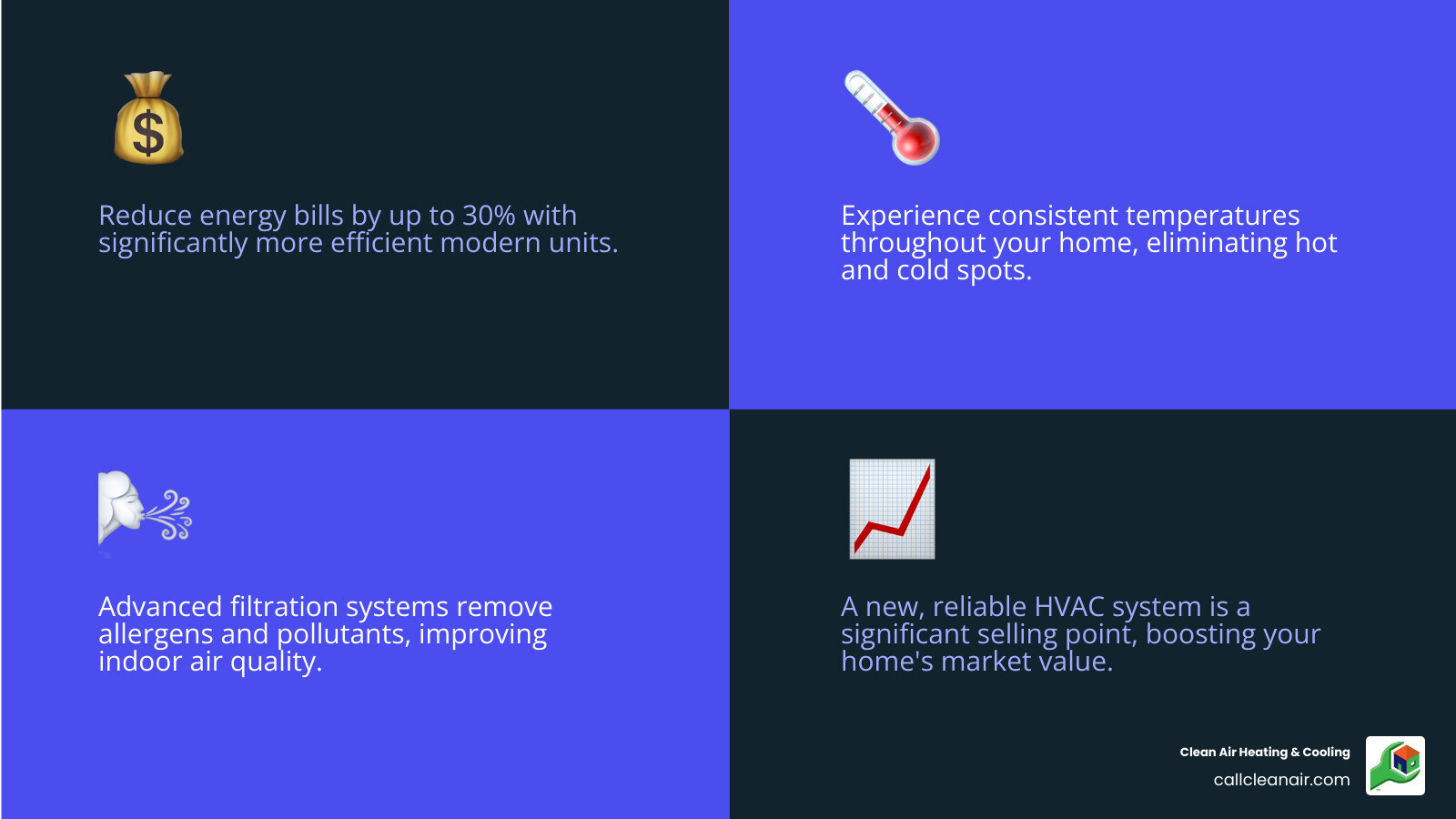
A New HVAC system can transform your home’s comfort while slashing your energy bills by up to 30%. Here’s what you need to know:
Key Benefits of Installing a New HVAC System:
- Lower energy costs – Modern systems use significantly less power than older units
- Improved comfort – Eliminate hot and cold spots with properly sized equipment
- Better air quality – Advanced filtration removes allergens and pollutants
- Increased home value – A new system is a major selling point for buyers
- Fewer repairs – Stop throwing money at an aging, unreliable system
Typical Investment Range: Most homeowners spend between $10,000-$20,000 for a complete heating and cooling system, depending on home size, system type, and efficiency ratings.
When to Replace: If your system is 10-15 years old, requires frequent repairs, or you’re seeing rising energy bills, it’s time to consider replacement rather than continued repairs.
If you’re in Whatcom, Skagit, or Snohomish County, you know how frustrating an unreliable HVAC system can be—inconsistent temperatures, climbing utility bills, and constant worry. The good news is that modern heating and cooling technology offers a powerful solution, with new systems often paying for themselves through energy savings.
The process of choosing a new system can feel overwhelming, but it doesn’t have to be. Understanding the basics of system types, sizing, and efficiency ratings puts you in control.
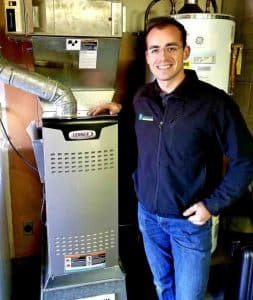
I’m Colin Matei, owner of Clean Air Heating & Cooling. I’ve helped hundreds of local families select and install the perfect New HVAC system for their homes. My goal is to cut through the technical jargon and help you make an informed decision that delivers lasting comfort and value.
Is It Time for an HVAC Replacement? Key Warning Signs
It’s natural to want to get the most out of your current HVAC system, but holding onto an old unit can cost you more in the long run. Recognizing these key warning signs can help you avoid unexpected breakdowns and escalating expenses.
- System Age: If your system is approaching or has passed its typical lifespan, it’s time to start planning for a replacement.
- Frequent & Costly Repairs: Are you constantly calling for repairs? If you’re on a first-name basis with your HVAC technician, it’s a clear sign your system is failing.
- Rising Energy Bills: Unexplained increases in your heating and cooling costs often mean your system is losing efficiency and working harder to keep up.
- Uneven Temperatures: Hot and cold spots throughout your home suggest your system is no longer distributing air effectively or may be improperly sized.
- Strange Noises: Grinding, banging, or squealing sounds are red flags for serious mechanical problems that could lead to a complete system failure.
- Poor Indoor Air Quality: An increase in dust, allergens, or stale air can indicate your aging system is no longer filtering or dehumidifying properly.
For a deeper dive into evaluating your current system, check out our guides on Should I Repair or Replace My Old HVAC System? and performing an HVAC System Checkup.
How Old is Too Old for an HVAC System?
The question of “how old is too old” is one we hear often. While there’s no single magic number, HVAC systems do have varying lifespans depending on the type and how well they’ve been maintained. Think of it like a car; with regular oil changes and tune-ups, it’ll last longer, but eventually, even the best-maintained vehicle reaches the end of its road.
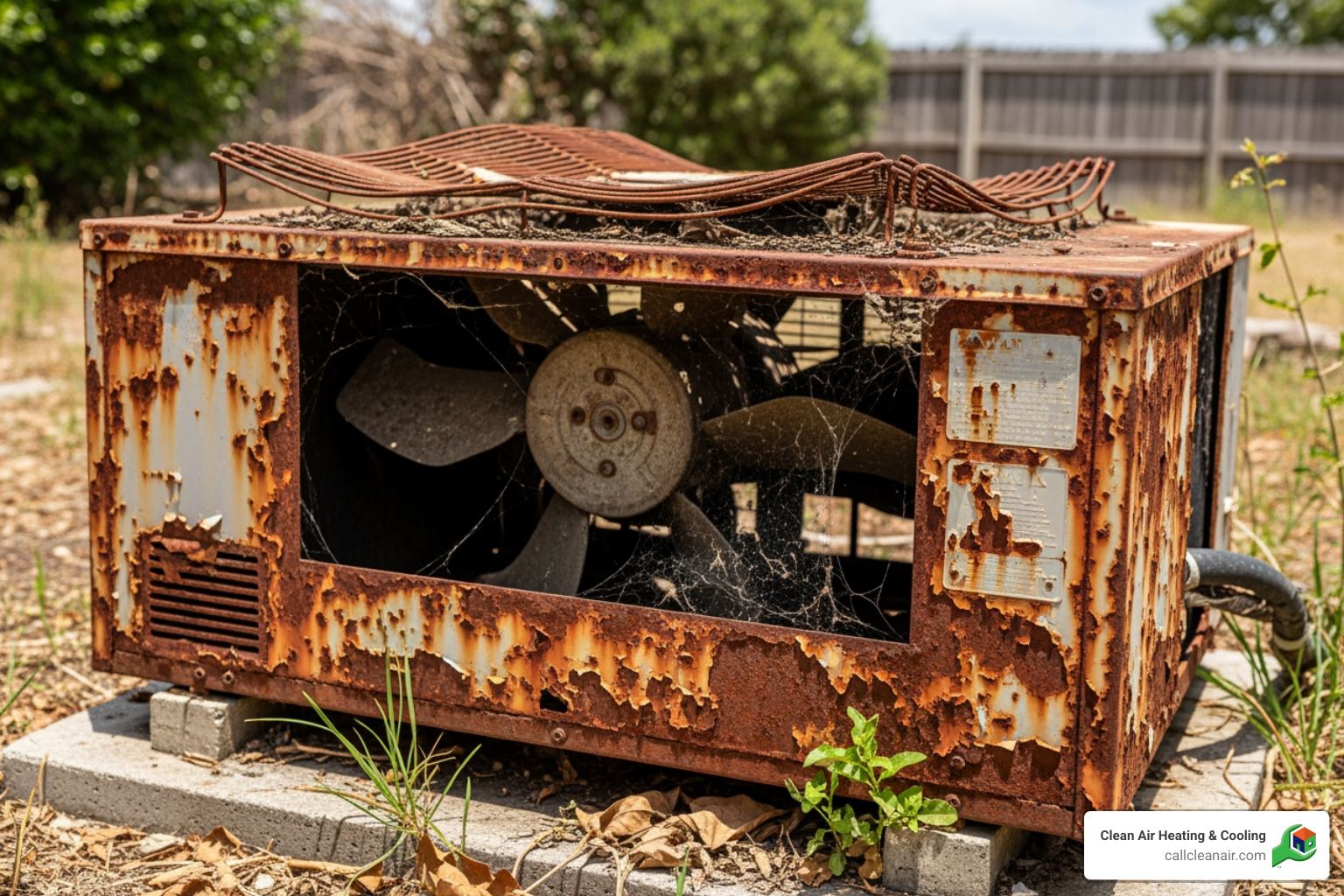
Generally, a New HVAC system is a worthwhile consideration if your current one is nearing these age markers:
- Central Air Conditioners: These typically last between 10-15 years. Beyond this, efficiency drops significantly, and repair costs tend to increase.
- Furnaces (Gas and Electric): Furnaces are often more robust, with a typical lifespan of 15-20 years. Well-maintained units can sometimes push towards 20 years or more.
- Heat Pumps: Given that heat pumps work year-round for both heating and cooling, their lifespan is generally shorter than a furnace but comparable to an AC unit, usually around 10-12 years.
These are just averages, of course. A system that has been neglected will fail much sooner, while one that receives diligent annual maintenance might exceed these estimates. You can learn More about system lifespans. If your system is already in these age ranges and you’re experiencing any of the warning signs we discussed, it’s definitely time for us to take a look.
The Repair vs. Replace Calculation
Deciding between a costly repair and a full replacement is a common dilemma. While a repair might seem cheaper now, it can be a temporary fix for a failing system. Here are two simple rules to help you decide:
- The 50% Rule: If your system is over 10 years old and a repair costs more than 50% of a new unit, replacement is the smarter long-term investment. That expensive repair is often just the first of many.
- The “Age x Repair Cost” Formula: Multiply your system’s age by the estimated repair cost. If the result is higher than the price of a new system, replacement is likely the better financial choice. (e.g., 12-year-old system x $1,000 repair = $12,000).
A New HVAC system offers value beyond avoiding repairs. You’ll benefit from lower energy bills, improved comfort, better air quality, and a new warranty for peace of mind.
Planning for a replacement proactively allows you to research options, find the best deals, and schedule installation on your terms—avoiding an emergency breakdown during extreme weather.
Decoding the Cost of a New HVAC System
Understanding the cost of a New HVAC system is the first step for most homeowners. While it’s a significant investment, it pays dividends in comfort, energy savings, and home value.
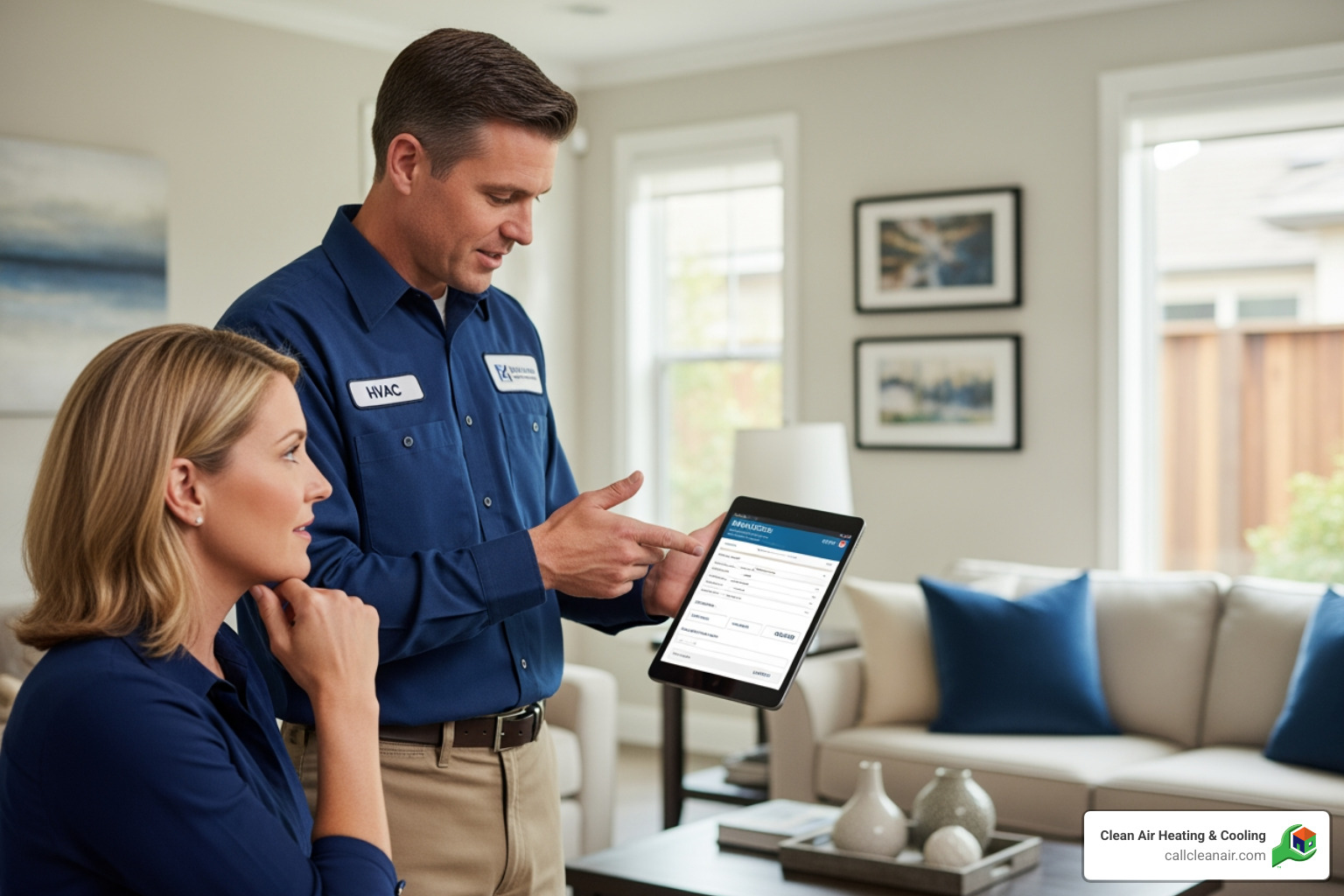
For a typical 2,000–2,500 sq ft home in Whatcom, Skagit, and Snohomish Counties, a complete heating and cooling system installation generally ranges from $10,000 to $20,000. Most homeowners pay around $14,000 for a new air conditioner and gas furnace. For homes under 1,500 sq ft, the cost is typically between $10,000 and $12,000.
This price is influenced by system type, size, efficiency ratings, brand, ductwork condition, and installation complexity. Be sure to check our HVAC Deals for current promotions that can help offset the cost.
Average Cost of a New HVAC System by Type
The type of equipment you choose is a major factor in the total cost. Here’s a general breakdown of average installation costs for different systems in the Pacific Northwest:
- Central Air Conditioner Alone: $8,000–$15,000 (assumes a compatible furnace/air handler is in place).
- Gas Furnace Alone: $7,000–$9,000.
- Heat Pump System: $9,000–$20,000 (provides both heating and cooling, ideal for our climate).
- Ductless Mini-Split System: $7,000–$10,000 for a multi-zone setup (great for homes without ductwork).
Note: These are average ranges and can vary based on the specific model, features, and your home’s unique requirements.
Key Factors Influencing the Cost of a New HVAC System
When budgeting for a New HVAC system, it’s important to understand that the final price tag is influenced by a range of factors beyond just the equipment itself.
- Home Size and Layout: A larger or more complex home requires a system with greater capacity (measured in tons or BTUs), which affects cost. However, the price difference for larger equipment is often less than homeowners expect. We always perform a professional load calculation to ensure your system is perfectly sized, not just based on square footage. Learn more in our guide on How to Determine Size of Heating and Air Conditioning System.
- Ductwork Condition: Your ductwork is critical. Old, leaky, or improperly sized ducts will cripple the performance of even the best new system. If your ducts need repair or replacement, it can add $2,000 to $4,000 to the project cost for a typical home, but it’s an essential investment for efficiency and comfort.
- Energy Efficiency Ratings (SEER2, HSPF2, AFUE): Systems with higher efficiency ratings (like SEER2 for cooling) have a higher upfront cost but deliver significant long-term savings on utility bills. For example, upgrading to a high-efficiency model could save you $300-$500 annually, often offsetting the initial investment over the system’s life.
- Climate (Pacific Northwest): Our local climate in Northwest Washington, with its mild winters and warm (but rarely extreme) summers, influences system choice. Heat pumps are particularly well-suited here due to their ability to efficiently provide both heating and cooling. In contrast, in regions with very harsh winters, a high-efficiency gas furnace might be prioritized.
- Labor and Installation Complexity: Labor can account for up to 40% of the total project cost. Factors include site accessibility, electrical upgrades, and the time needed to remove the old unit. We provide transparent pricing that covers a high-quality, professional installation from start to finish.
Choosing Your Ideal System: Types, Features, and Efficiency
Choosing the right New HVAC system is about finding the perfect match for your home’s needs. A critical part of this is deciding to replace the entire system at once.
We strongly recommend replacing the full “split system”—both the outdoor unit (AC or heat pump) and the indoor unit (furnace or air handler). This creates a “matched system” where components are designed to work together perfectly. A matched system delivers higher efficiency, better performance, and full warranty coverage, and it’s often required to qualify for tax credits and rebates.
Mismatched components can lead to poor performance, higher bills, and premature failure. We work with top HVAC Brands to provide the best matched systems.
Common Types of HVAC Systems
The world of HVAC offers several core system types, each with its own advantages. Understanding these can help you narrow down your choices for a New HVAC system:
- Central Air Conditioners & Furnaces: This is the most traditional “split system” setup. A central air conditioner provides cooling via an outdoor unit and an indoor coil, while a separate furnace handles heating. These systems use your home’s ductwork to distribute conditioned air. They are a reliable choice for whole-home comfort. Explore more about HVAC Services: Air Conditioning and HVAC Services: Furnaces.
- Heat Pumps: A fantastic option for our Pacific Northwest climate, heat pumps provide both heating and cooling from a single outdoor unit. In summer, they move heat out of your home; in winter, they extract heat from the outside air (even when it’s cold!) and transfer it indoors. They are incredibly energy-efficient, especially when replacing electric resistance heating. Learn more about HVAC Services: Heat Pumps.
- Ductless Mini-Splits: These systems offer zoned heating and cooling without the need for extensive ductwork. They consist of an outdoor unit connected to one or more indoor air-handling units that can be mounted on walls or ceilings. Mini-splits are ideal for additions, converted spaces, or homes where ductwork isn’t feasible, offering precise temperature control for individual rooms or zones. Check out our HVAC Services: Mini Splits.
Understanding Energy Efficiency Ratings
When investing in a New HVAC system, energy efficiency is a key factor that impacts your long-term operating costs and environmental footprint. Modern systems are designed to be much more efficient than their predecessors.
Here’s what those acronyms mean:
- SEER2 (Seasonal Energy Efficiency Ratio 2): This is the primary measure for cooling efficiency in air conditioners and heat pumps. A higher SEER2 rating indicates greater efficiency and lower cooling costs. The minimum standard has increased, and anything above 16 is generally considered high efficiency.
- EER2 (Energy Efficiency Ratio 2): While SEER2 measures seasonal performance, EER2 indicates how efficiently a system operates at peak temperatures. It’s particularly relevant for homes in areas that experience extended periods of extreme heat.
- HSPF2 (Heating Seasonal Performance Factor 2): This rating is specific to heat pumps and measures their heating efficiency. A higher HSPF2 means the heat pump is more efficient at providing warmth, which is crucial for heating costs in our region.
- AFUE (Annual Fuel Utilization Efficiency): This rating applies to furnaces and measures how efficiently they convert fuel (like natural gas) into usable heat. An AFUE of 90% means 90 cents of every dollar spent on fuel goes directly to heating your home, with only 10 cents lost.
Choosing ENERGY STAR®-qualified units can significantly reduce energy consumption and often make you eligible for various incentives. You can Find ENERGY STAR®-qualified units and explore more Energy Saving HVAC Solutions.
Modern Features and Upgrades
Today’s New HVAC system offers more than just basic heating and cooling; they come with smart features that improve comfort, convenience, and efficiency.
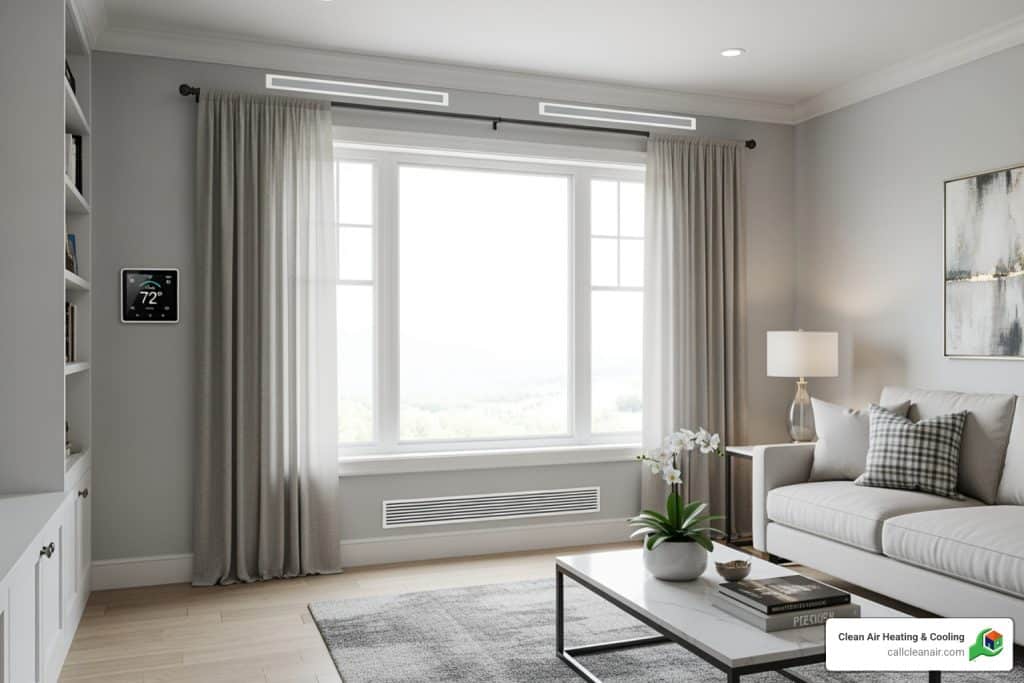
- Smart Thermostats: Control your system from anywhere with your smartphone. These devices learn your habits, optimize energy use based on schedules and weather, and ensure you always come home to a comfortable house without wasting power. We can help you with Choosing the Right Thermostat for My HVAC System.
- Zoning Capabilities: End thermostat wars by dividing your home into separate temperature zones. Heat or cool only the areas you’re using to achieve personalized comfort and significant energy savings.
- Advanced Air Filtration: Integrate whole-home air purifiers, high-MERV filters, or UV lamps into your new system. These technologies remove allergens, dust, mold, viruses, and bacteria, creating a healthier indoor environment for your family. Learn more about HVAC Air Filtration Systems.
- Dehumidifiers: In our damp Pacific Northwest climate, a whole-home dehumidifier is key. It works with your HVAC system to control indoor humidity, preventing mold and improving comfort without over-cooling your home.
Maximizing Savings: Rebates, Financing, and Smart Choices
A New HVAC system is a major investment, but smart planning can make it more affordable. We help our customers in Whatcom, Skagit, Snohomish, and Island Counties maximize their savings.
A new, energy-efficient system can cut your energy bills by up to 30%, with the savings helping to offset the initial cost over time. For more tips, visit our HVAC Energy Savings page.
Here are more ways to save:
- Off-Season Installation: Schedule your installation in the spring or fall when demand is lower to potentially find better pricing and promotions.
- Get Multiple Quotes: Obtain several detailed quotes from reputable contractors to compare systems, pricing, and warranties.
- Choose a Reputable Contractor: This is the most critical step. A licensed, insured, and well-reviewed contractor ensures your system is installed correctly for optimal performance and longevity.
Federal Tax Credits and Local Incentives
Government and utility incentives can significantly reduce the cost of a New HVAC system.
The Inflation Reduction Act of 2022 (IRA) offers substantial federal tax credits for high-efficiency systems:
- Up to $2,000 for qualifying heat pumps.
- Up to $1,200 for qualifying furnace and AC combinations.
These credits require specific efficiency ratings (often ENERGY STAR® certified). Consult a tax professional for eligibility and find more details on the Energy Efficient Home Improvement Credit info.
Additionally, state and local utilities offer rebates that can save you thousands more. For example, some heat pump rebates can reach up to $8,000 depending on your location and income. We help our customers identify and apply for all available incentives. Visit our HVAC Services: Utility Rebates page for more information.
HVAC Financing Options
Even with rebates, the upfront cost of a New HVAC system can be a hurdle. We offer financing options to make this essential upgrade accessible.
Financing lets you break down the cost into manageable monthly payments, so you can enjoy a comfortable, efficient home now instead of waiting. We partner with financial institutions to offer competitive rates and promotional periods. Our team will help you find a plan that fits your budget.
Explore our HVAC Services: Financing page to learn more.
The Installation Process: What to Expect
We aim for a seamless, professional installation that minimizes disruption to your home. Here’s what to expect when you get a New HVAC system from us.
- Professional Load Calculation (Manual J): Before any work begins, we perform a detailed analysis of your home (size, insulation, windows, etc.) to determine the exact heating and cooling capacity you need. This crucial step prevents issues caused by oversized or undersized systems and ensures peak efficiency.
- Preparation and Removal: Our certified technicians will carefully remove your old system and prepare the space for the new equipment.
- Installation: A standard replacement typically takes 1-2 days. If new ductwork is needed, the project may take 3-5 days. We provide a clear timeline upfront. For more details, see our New HVAC System Installation Guide.
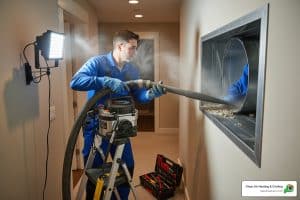
- Ductwork Inspection: Your ducts are the arteries of your HVAC system. We inspect them thoroughly to ensure they aren’t leaky or improperly sized, as this would compromise your new system’s performance. We also offer HVAC Services: Duct Cleaning.
- Post-Installation Checks: After installation, we test every aspect of the system—airflow, refrigerant levels, and controls. We’ll then walk you through its operation, including any smart features, to ensure you’re completely comfortable with your new setup.
Frequently Asked Questions about New HVAC Systems
We know you’ll have questions when considering a New HVAC system. Here are some of the most common ones we hear from homeowners in our community:
What is the typical lifespan of an HVAC system?
The typical lifespan varies by system type and maintenance. Central air conditioners usually last 10-15 years, heat pumps operate effectively for around 10-12 years, and furnaces can often serve you for 15-20 years. Regular maintenance is the key to maximizing these lifespans.
Is it better to replace the entire HVAC split system at once?
Yes, in most cases, it is significantly better to replace the entire HVAC split system (both indoor and outdoor units) at once. This ensures that all components are perfectly matched for optimal performance, maximum energy efficiency, and full warranty coverage. Replacing only one part of an aging system can lead to inefficiencies, compatibility issues, and may even void warranties or disqualify you from federal tax credits and rebates. It’s like replacing one worn-out tire on your car with a brand new one while keeping three old ones; the system won’t perform as intended.
How do I know what size HVAC system my home needs?
Determining the correct size for your New HVAC system is crucial for efficiency and comfort. It’s not simply based on square footage. We perform a detailed professional load calculation (often called a Manual J calculation). This takes into account factors like your home’s insulation, window types and orientation, ceiling height, local climate, and even the number of occupants. An improperly sized system – whether too big or too small – will struggle to maintain comfort and lead to higher energy bills.
Conclusion
Investing in a New HVAC system is one of the best decisions you can make for your home. It’s an upgrade that delivers consistent comfort, better air quality, and significant energy savings of up to 30%. A new system also increases your home’s value and provides peace of mind with a solid warranty.
As we’ve covered, from identifying warning signs to navigating costs and incentives, making an informed choice is key. However, the most critical factor is professional installation. Proper sizing and expert installation are non-negotiable for achieving the efficiency and longevity you expect from your investment.
At Clean Air Heating & Cooling, we proudly serve homeowners across Whatcom, Skagit, Snohomish, and San Juan Counties. We specialize in prompt, high-quality HVAC services and stand by our 25% utility savings guarantee. Our team is here to guide you through every step, ensuring you get the perfect New HVAC system for your home.
Ready to upgrade your home comfort and lower your energy bills?
Contact us for a free estimate on your new HVAC system in Island County!